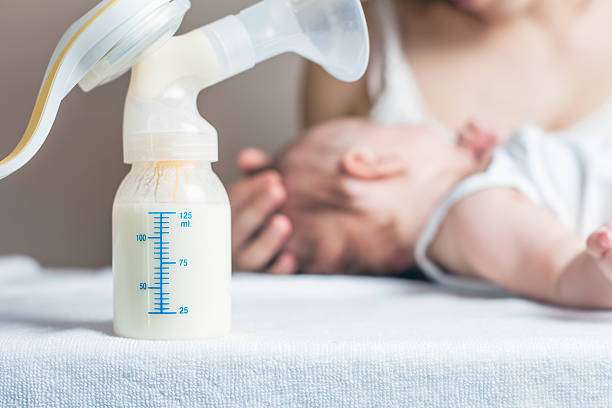
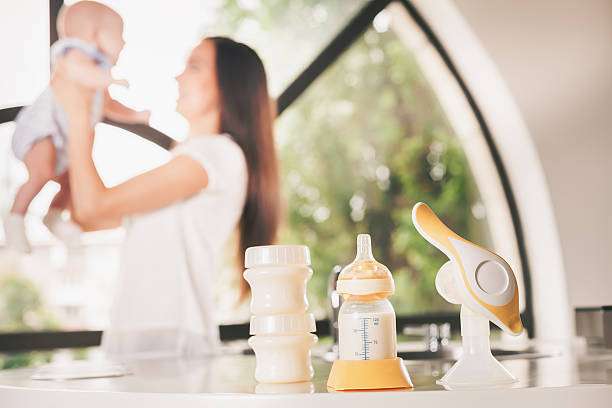
As a new mother, I understand the various challenges of breastfeeding. Sometimes I need to go out for work, and sometimes my baby isn’t with me, so a breast pump becomes an important helper. However, many mothers worry: will frequent use of a breast pump affect breast milk production? Today, I’ll discuss this topic from four aspects: scientific principles, usage methods, personal experience, and precautions.
How Breast Pumps Work
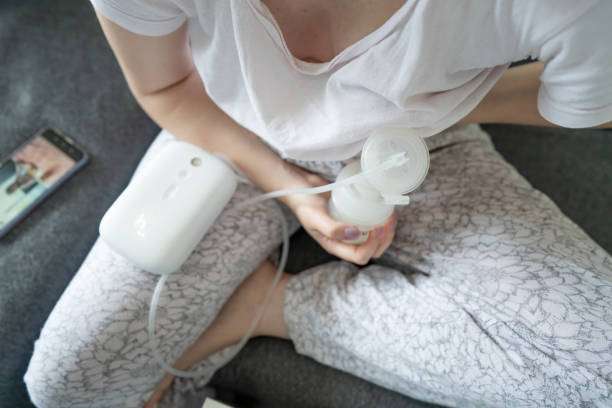
First, it’s important to understand that breast pumps do not directly reduce breast milk production. Breast milk production is primarily influenced by the following factors:
1. Supply and Demand Relationship
The more frequently a baby suckles, the more prolactin the body produces, and the more abundant the breast milk production. A breast pump serves to replace the baby’s suckling, providing continuous stimulation to the mammary glands.
2. Methods of Breast Stimulation
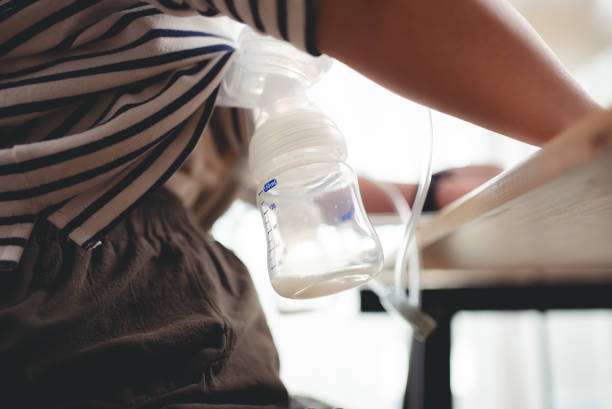
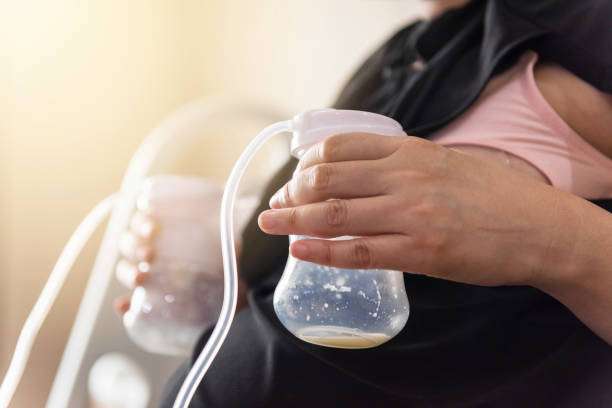
Modern pumps stimulate milk production by mimicking a baby’s sucking rhythm. Electric breast pumps are generally designed with different speed settings and suction modes to more closely resemble a baby’s natural sucking.
3. Psychological and Emotional Factors
Excessive stress, anxiety, or lack of sleep can all affect milk production. When using a breast pump, excessive tension may temporarily slow down milk flow, but this is a short-term phenomenon.
I first used a breast pump. I was so flustered that the milk flow was very slow, but I persisted in pumping on time every day, and soon it became as smooth as direct feeding.
Will Using a Breast Pump Affect Breast Milk Production?
In general, proper use of a will not affect milk production; on the contrary, it can help maintain and increase breast milk supply, especially in the following situations:
Baby Not Around
Working mothers can use it to maintain milk supply and avoid blocked milk ducts.
Inconvenient Breastfeeding Position
Some babies have poor sucking posture, resulting in incomplete emptying of the breast. Using a breast pump can more fully stimulate the mammary glands and maintain milk supply.
Increase Milk Supply
When breast milk supply is insufficient, increasing the frequency of breast pump use is more effective than simply waiting for the baby to suckle.
Precautions
- Excessive suction or frequent,
Prolonged use of a high-end pump may cause breast pain or nipple injury, but this is an operational issue, not a problem with the breast pump itself. - Ignoring direct breastfeeding
and relying entirely on a breast pump to reduce the frequency of breastfeeding may affect the baby’s sucking stimulation and indirectly affect milk supply.
Use it at work, pumping for 15–20 minutes each time; when you get home, let your baby nurse directly as much as possible. This will help maintain your milk supply.
How to Properly Use a Breast Pump to Maintain Breast Milk Production
1. Choose a Suitable
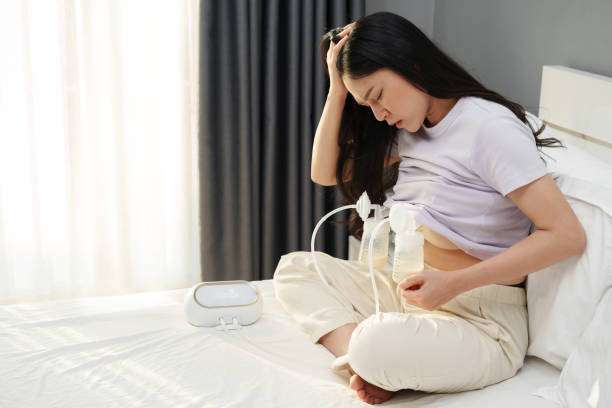
- Electric: Fast, suitable for working mothers
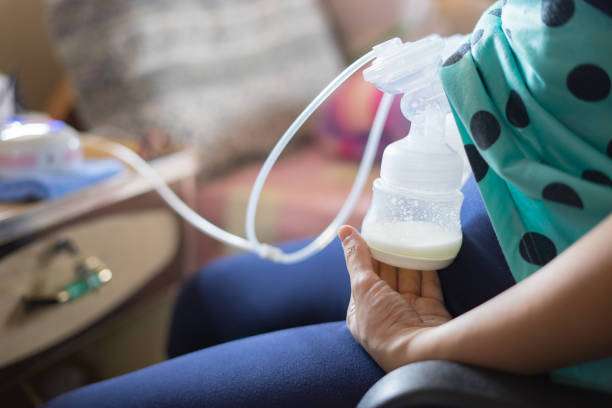
- Manual: Quiet and portable, suitable for occasional use.
Choose a model with different suction levels to avoid nipple damage.
2. Maintain a Regular Routine
- Pumping breast milk at the same time every day
- Each session should last 15–20 minutes or until the breasts are emptied.
3. Pay Attention to Breast Care
- Using them, you can apply a warm compress or gently massage your breasts.
- Avoid excessive suction that could damage the nipples.
4. Assist the baby with direct breastfeeding.
Sucking is the most natural form of stimulation for babies. You’re just an aid; try to maintain direct contact between the baby and the breast as much as possible.
I found that using a breast pump at a fixed time each day, followed by letting the baby nurse directly, resulted in a more stable milk supply than relying solely on breastfeeding or using a breast pump alone.

As a working mom, I use a breast pump twice a day and try to let my baby nurse directly when I get home.
At first, I was worried about a decrease in milk supply, but after persisting, I found that my milk supply was more stable than expected, and the problem of blocked breasts significantly decreased.
The breast pump is not just a “tool,” but more like a guarantee that allows me to work with peace of mind.
Common Misconceptions
- that using breast milk will reduce milk production
is a misconception. When used correctly, breast milk production will not decrease; in fact, it can help the mammary glands continue to produce milk. - It can completely replace
incorrect breastfeeding. A breast pump can stimulate the mammary glands, but the baby’s sucking also involves oral development and parent-child interaction. - that electric is always better than manual
is a misconception. Every mother’s breast structure is different; what suits you best is the best choice.
FAQ
Q1: Will it affect nipple sensitivity?
A: No, it won’t if used correctly. Just make sure to choose the appropriate cup size and suction level.
Q2: Does a breast pump conflict with breastfeeding?
A: No. It is an auxiliary tool; when used properly, it can help maintain milk supply and breastfeeding rhythm.
Q3: How long does it take for a breast pump to stimulate an increase in milk supply?
A: Most mothers will see changes in milk supply after using it for 2–3 days, but this needs to be combined with regular pumping and breastfeeding.
Q4: Will it damage the breast tissue?
A: No, as long as you avoid prolonged high-intensity pumping, breast health will not be affected.
Summary
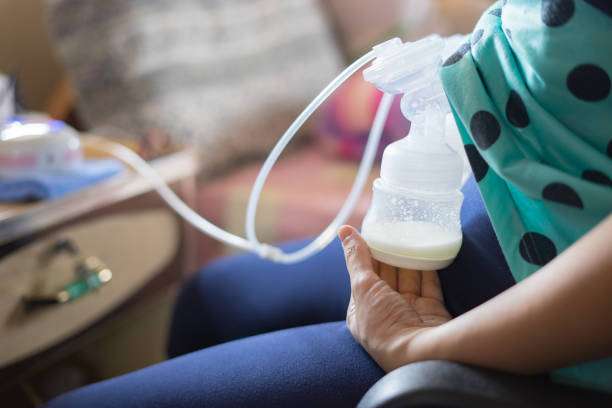
A breast pump does not directly affect breast milk production; in fact, if used correctly, it can help maintain a stable milk supply.
Regular use combined with direct breastfeeding is key to maintaining milk supply.
Choosing the right model and paying attention to breast care can make the breast pumping experience more comfortable.
If you are considering a breast pump, you can choose one that is easy to operate, has multiple suction levels, and suits your usage habits, making it easy to balance breastfeeding and your lifestyle.