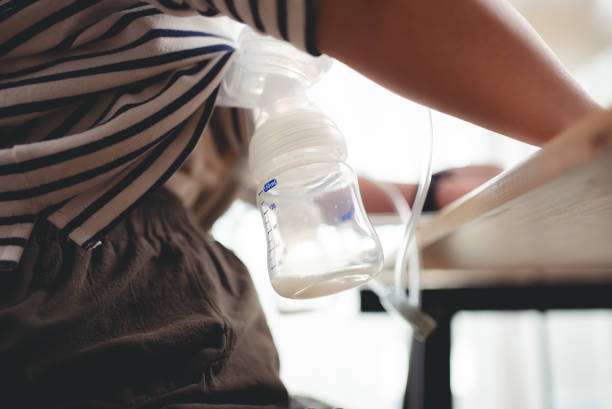
During breastfeeding, every mother wants to save time while ensuring an adequate milk supply. Choosing the right breast pump not only affects feeding efficiency but also directly impacts the mother’s comfort and mental well-being. Common breast pumps on the market are divided into single-sided and double-sided pumps, each with its own characteristics. This article will provide a detailed comparison from multiple perspectives, including efficiency, comfort, and usage scenarios, to help you find the most suitable solution for you.
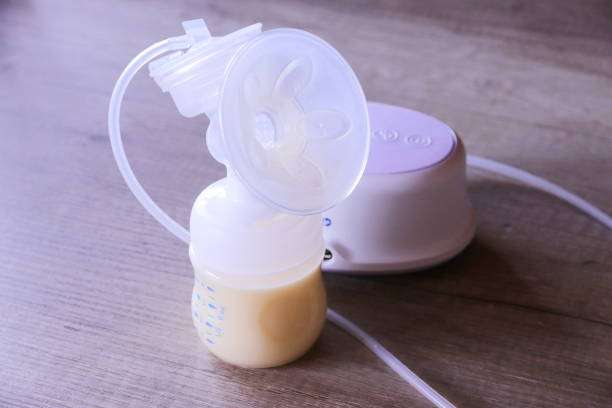
Efficiency Comparison: Which Is Faster?
One side
A single breast pump can only extract milk from one side at a time. Its advantages are that the device is small in size and relatively affordable, which is sufficient for mothers who use it occasionally.
However, if you need to express milk from both breasts simultaneously, using a single breast pump requires alternating between them, which can double the time needed for a complete pumping session. For example, in my own experience, after my baby’s morning feeding, I often want to finish expressing milk quickly. Using a single breast pump, it often takes 20–25 minutes to pump from both sides, and by then the baby might start fussing.
Both sides
A double breast pump can express milk from both breasts simultaneously, making it about twice as efficient as a single breast pump. For working mothers or those who need to pump frequently, this means they can pump more milk in the same amount of time, leaving more time for the baby or for rest.
Real-world testing shows that using a double breast pump takes only 10–12 minutes per session to complete bilateral breast pumping, which is almost twice as fast as unilateral pumping and reduces the discomfort of prolonged breast fullness.
Comfort and milk emptying
Efficiency is important, but comfort and milk emptying are equally crucial.
Single: Since only one side is pumped at a time, the other breast remains full, which can easily cause engorgement and pain. Mothers need to constantly adjust their position, and breast discomfort or insufficient milk production may occur during the pumping process.
Double: These pumps can suction from both breasts simultaneously, resulting in more even milk production and reducing breast engorgement. Additionally, double breast pumps typically come with multiple suction levels, allowing mothers to choose the appropriate setting based on their individual breast sensitivity for a more comfortable experience.
Especially during peak periods of continuous breastfeeding, a double breast pump can significantly reduce breast pressure and make the lactation process smoother.
Ease of use comparison
One side
- Advantages: Lightweight and compact, easy to carry, and simple to operate.
- Disadvantages: It requires alternating operations to complete both sides of the breast, which takes a long time; it is sometimes easy to spill or leak milk, so extra care is needed.
Both sides
- Advantages: It can express milk from both sides at once, saving time; some models are also equipped with a silent design, so the baby is not easily woken up when sleeping.
- Disadvantages: It is larger and heavier, requiring more storage space; the price is relatively higher than a single-sided breast pump.
I use a double breast pump at home. I use a small table and bottle holder to organize the pump tubing, which makes the whole process very convenient. However, with a single breast pump, I need to make constant adjustments, and occasionally I encounter the embarrassing situation of the tubing getting tangled.

Scenario Applicability Analysis
|
Scene |
unilateral |
bilateral |
suggestion |
|---|---|---|---|
|
Occasionally go out |
Lightweight and easy to carry |
Slightly clumsy |
One-way is more suitable for short distances. |
|
office workers |
Inefficient |
High efficiency and speed |
Both sides are more suitable for frequent use |
|
High-frequency feeding period for newborns |
Long duration, easy to get tired |
Quickly empty the breasts |
It is more effortless on both sides and reduces breast tenderness. |
|
Home backup |
Emergency |
Emergency |
Both can be chosen based on budget. |
This comparison table shows that the key factors for selection are usage frequency, time pressure, and budget.
Milk supply and lactation efficiency
yields more milk in the same amount of time. The reason is
- Simultaneously stimulates both breasts and increases prolactin secretion.
- Avoid prolonged fullness of the other breast during unilateral breast pumping, which can compress the mammary glands.
Among my mother friends, some upgraded from a single breast pump to a double breast pump, and the amount of milk pumped each time increased by an average of about 30%, which was very helpful in establishing and maintaining breast milk supply.
Purchase advice and selection tips
- Adjustable suction: Different breasts have different sensitivities, so choose a model with adjustable suction to avoid breast discomfort.
- Material safety: Choose BPA-free or food-grade materials to ensure health.
- Easy to clean: The easy-to-disassemble and wash design saves time and increases the frequency of use.
- Noise control: The quiet design is especially important when used while the baby is sleeping.
- Complete accessories: Spare bottles, milk storage bags, and tubing interfaces are all provided, which can improve the efficiency of use.
FAQ
Q1: Will bilateral breast pumps empty the breasts too quickly and reduce milk supply?
A: No. Bilateral breast pumps stimulate simultaneous milk production in both breasts, helping to increase lactation efficiency and maintain milk supply.
Q2: Will a single breast pump be insufficient?
A: For occasional use or short-term pumping, a single breast pump is perfectly adequate. However, for frequent use or when time needs to be saved, it is less efficient than a double breast pump.
Q3: Are dual-sided cameras noisy? Will they wake the baby?
A: Modern dual-sided cameras generally have a silent design, so they are quiet during use and are unlikely to wake the baby.
Q4: Is using the dual-sided design complicated?
A: It may take some getting used to at first, but most models are easy to operate and come with detailed instructions and a removable, washable design.
Q5: Is there a big price difference?
A: The price for two-sided breastfeeding is usually higher than that for one-sided breastfeeding, but considering the time-saving and lactation efficiency, this investment is well worth it for long-term breastfeeding.
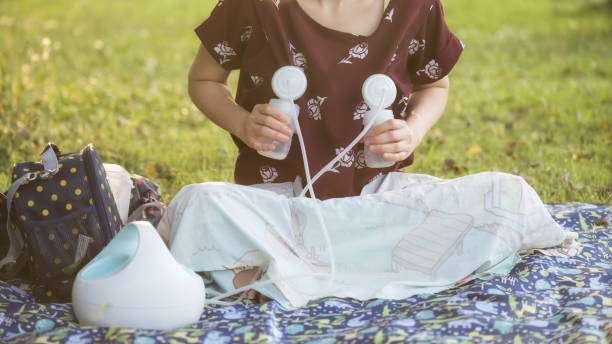
Summarize:
Choosing the right breast pump is an important way for mothers to save time and reduce stress.
If you wish:
- Efficiently complete bilateral breast pumping
- Relieve breast tenderness
- Save valuable breastfeeding and pumping time.
Therefore, a high-quality dual-sided breast pump would be the most worthwhile investment.
Check out our curated selection of breast pumps to make your daily breastfeeding routine easier and more efficient while providing your baby with a stable and ample supply of breast milk.