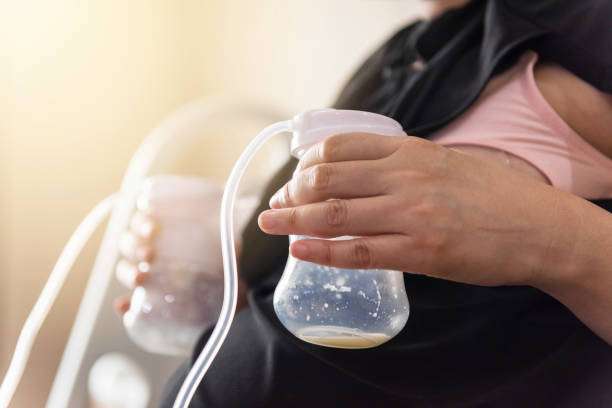
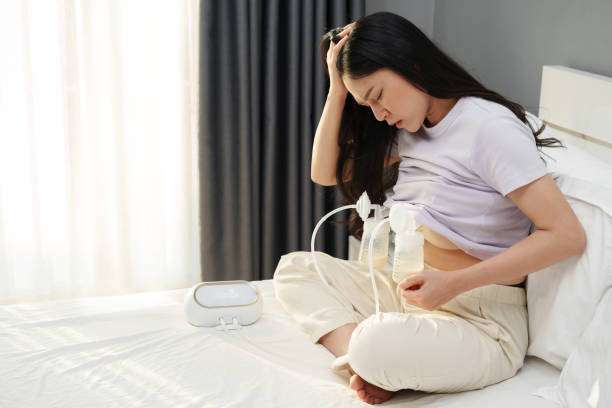
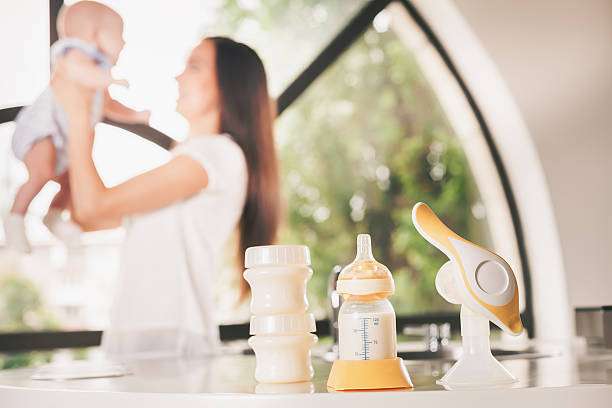
Raising a baby is a sweet experience, but it also presents many unseen challenges. For many new mothers, a breast pump is an essential tool for daily feeding. Without it, a series of unexpected problems can arise.
As a mother who has personally experienced exclusive breastfeeding and partial hand expression, I deeply understand the various difficulties that arise without a breast pump. This article will analyze the potential problems of not having a breast pump from a mother’s perspective and provide feasible solutions.

1. Breast milk supply is difficult to stabilize.
Many mothers believe that breastfeeding is enough, but in reality, breast milk production is affected by frequent stimulation. Without a breast pump to help with regular expression, the mammary glands are not adequately stimulated, which can easily lead to insufficient milk production.
At first, I tried expressing milk by hand, but I could only get a small amount out each time, and I became even more anxious when my baby cried. Later, I started using a breast pump and found that my milk supply stabilized a lot and my breast engorgement was relieved.
2. Breasts are prone to engorgement or blocked milk ducts.
A breast pump can effectively empty milk and reduce the risk of blocked milk ducts. Without it, hand expression often cannot completely empty the breasts, which can easily lead to problems such as breast engorgement and mastitis.
Solutions:
If you don’t have a breast pump for the time being, you can try applying warm compresses, massaging, or adjusting your breastfeeding position, but the effects are limited. In the long term, it is recommended to get a high-efficiency breast pump.
3. Difficulty weaning or supplementing breast milk for the baby.
For mothers returning to work or needing to go out, the lack of a breast pump makes it difficult to store breast milk in advance. As a result, babies may not be able to be fed promptly when the mother is not around, requiring the use of formula.
During my first week back at work, I hadn’t prepared a breast pump, and my baby experienced gastrointestinal discomfort. It was only later that I realized the importance of storing breast milk in advance, making it more convenient to store breast milk and helping my baby adapt better to weaning or as a temporary substitute for formula.
4. Limited breastfeeding time
Without a breast pump, breast milk can only be produced through direct breastfeeding or hand expression, requiring mothers to be with their babies at all times. This creates immense time pressure for mothers of multiples or working mothers.
Using a breast pump allows you to express milk at any time, ensuring your baby always has milk available, while also reducing the stress on the mother.
5. Hand milking is inefficient and causes fatigue.
Hand-expressing milk is not only time-consuming but also easily leads to hand and wrist fatigue, especially for mothers with a large milk supply, making it even harder to maintain. A breast pump uses mechanical suction to express milk, which is more efficient and less strenuous.
I tried hand-squeezing for 30 minutes straight, and my hands went numb, but with an electric one, I can do the same amount of work in just 10 minutes.

6. A single breastfeeding position can easily lead to fatigue.
Most mothers can only express milk through breastfeeding positions, which not only increases the physical burden but can also lead to shoulder and neck pain or back pain. A breast pump allows mothers to sit in a comfortable position, freeing their arms, while ensuring that milk is expressed smoothly.
7. Difficulties in storing breast milk and traveling.
For mothers who are traveling or away from home, storing breast milk is almost impossible without a breast pump. Babies may experience a lack of breast milk while away, affecting their digestive health and immunity. Having a breast pump allows for advance storage of breast milk, ensuring the baby can be fed at any time and making the mother’s life more flexible.
Key Considerations:
- Choose the right model: Electric and manual models each have their advantages and disadvantages. Electric models are more efficient, while manual models are more portable.
- Regular breastfeeding: Even when your baby is not around, maintain a regular breastfeeding frequency to prevent milk stagnation.
- Precautions for storing breast milk: Store breast milk in sealed bags or bottles, label the storage time, and ensure safety.
- Emotional management: When breastfeeding is stressful, using a breast pump can reduce anxiety and make feeding easier.
FAQ (Frequently Asked Questions by Mothers)
Q1: Can I rely entirely on hand expression without a breast pump?
A1: Yes, in the short term, but long-term reliance is inefficient and can easily lead to breast engorgement and insufficient milk production. A breast pump ensures sufficient breast milk supply and empties the breasts.
Q2: Is it suitable for all mothers?
A2: It is suitable for most mothers. Especially for working mothers, mothers with a large milk supply, or mothers with irregular milk production, the breast pump provides significant help.
Q3: If not, are there any other alternatives?
A3: You can relieve breast engorgement by hand-expressing milk, applying warm compresses, and massaging, but the efficiency and effectiveness are limited, especially for long-term needs. It is recommended to use a breast pump.
Q4: Is it easy to clean after use?
A4: Most modern breast pumps are designed for easy disassembly and cleaning, ensuring hygiene. Choosing a product that is detachable and made of safe materials is ideal.
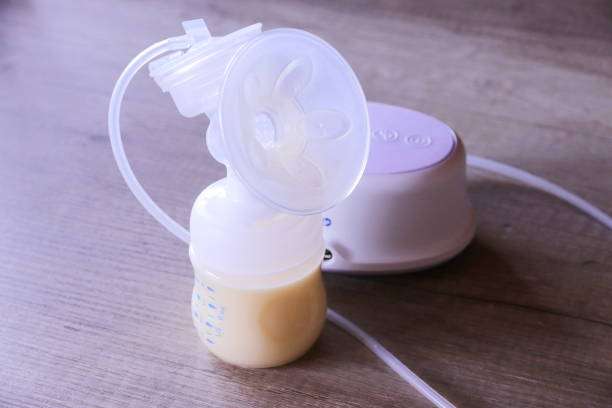
Summarize:
Without a breast pump, breastfeeding can lead to problems such as unstable milk supply, breast engorgement, difficulty storing milk, and fatigue from hand expression. For new mothers, especially those returning to work or frequently traveling, a breast pump is practically an essential tool.
If you also want to make breastfeeding easier and safer and provide your baby with sufficient nutrition, you can now purchase a high-efficiency breast pump to make breast milk storage and expression more efficient, making things easier for both you and your baby.