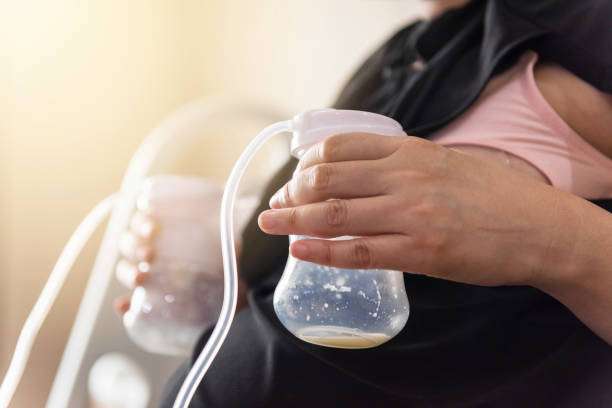
Whether you’re a stay-at-home mom or a working mom who needs to pump milk, a breast pump has become an indispensable part of life. But many new moms often encounter a problem: how do you adjust the suction of a breast pump to be both comfortable and efficient?
Improper suction adjustment can not only affect milk flow but also cause nipple discomfort or blocked milk ducts. This article, combining personal experience and scientific advice, guides you step-by-step through the correct use of a breast pump, from suction adjustment techniques and usage steps to precautions, ensuring every pumping session is easy and smooth.

The Importance of Breast Pump Suction
of a breast pump directly affects milk production efficiency and the mother’s comfort. Many new mothers believe that “the stronger the suction, the more milk will be produced,” but in reality:
- Excessive suction can easily cause nipple pain, skin damage, and even mastitis.
- Too low suction: insufficient milk production, and prolonged suction time is also inefficient.
Proper suction adjustment should take two points into account:
- Comfort: No pain or nipple irritation during milk expression.
- Efficiency: Milk can flow smoothly, ensuring the amount needed for breastfeeding or milk storage.
comfortable, but when I first started using a breast pump, I always tried to be “fast,” which resulted in my nipples hurting for two days. Later, I gradually adjusted the suction power at my own pace, which not only made me feel more comfortable but also stabilized my milk supply.
breast pump suction
Understand the suction levels of the device
Modern breast pumps generally come in two modes:
- Manual adjustment: Adjust the suction power gradually using the knob or button.
- Automatic adjustment: Some electric breast pumps have preset speeds or intelligent modes.
Before using the product, mothers should familiarize themselves with the suction power and characteristics of each setting to avoid blindly starting with the highest setting.
lower end Start with the lower end and gradually increase.
, Whether it’s an electric or manual breast pump, it’s recommended to start with a low setting:
- First, feel the state of your breasts being absorbed.
- Once it stabilizes, gradually increase to a comfortable yet responsive setting.
- If you experience significant tingling or discomfort in your nipples, immediately lower the setting.
This method not only avoids nipple damage but also makes it easier for milk to flow naturally.
Observe milk production and comfort.
When adjusting the suction power, please note:
- Is the milk flowing smoothly?
- Are there red marks or stinging on the nipples and areolas?
- Is the milking time appropriate (generally 10-15 minutes per side)?
Experience sharing: I first adjust it to a setting where I can feel a slight pulling sensation, but it doesn’t hurt. The milk will start flowing steadily in about 10 minutes, which is much more comfortable than turning it up to the highest setting directly.
Use the suction cycle mode (if applicable)
Some electric breast pumps have a “simulated suction” mode:
- Quick, gentle sucking: Simulates the initial sucking stage of a baby, stimulating milk flow.
- Alternating between slow and strong suction: maintaining a continuous flow of milk.
Mothers can adjust the circulation mode and suction level according to their own breast response to achieve the best efficiency.
Tips for adjusting breast pump suction
Warms the breasts and increases milk flow
- Apply warm water to the breasts for 1–2 minutes.
- Gently massage the breasts
Warmth and gentle massage can promote milk production, allowing milk to be expressed smoothly even with a low suction setting, without the need to pursue a high suction setting.
Maintain a comfortable sitting posture
- Lean back against the chair and relax.
- Relax your arms and shoulders to avoid tension.
Relaxing your posture allows milk to flow smoothly and reduces nipple discomfort.
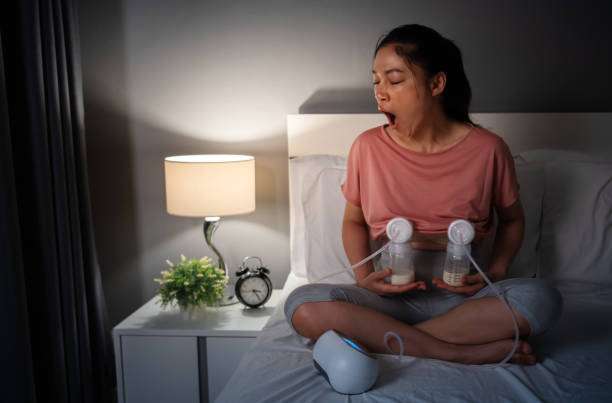
Clean bras and tubing regularly.
- Residual breast milk can easily breed bacteria.
- Dry thoroughly after cleaning to prevent odors.
I found that if the bra is not clean, my nipples are prone to stinging when expressing milk, so I wash it carefully before and after each use.
Record your comfort level
Everyone’s breast sensitivity is different, so don’t rely entirely on the setting numbers in the instruction manual.
New mothers can:
- Record the gear setting during each milking session.
- Adjust according to breast condition
- Gradually find the suction level that best suits you.
Take appropriate rest and avoid continuous high-intensity breast pumping.
Continuous pumping at a high setting can cause nipple fatigue and make them prone to cracking.
Recommendation:
- Alternate between left and right breasts each time you express milk.
- Take a 1-2 minute break in between.
- Keep breasts and nipples comfortable
Common Misconceptions about Using a Breast Pump
- Stronger suction is better, but this can easily lead to pain and blocked milk ducts.
- Ignoring comfort and focusing solely on efficiency increases the risk of injury.
- Frequent changes in setting can make the breasts less adaptable, which may actually reduce milk production.
- Prolonged high-pressure milk expression can cause nipple cracking and make milk flow less smooth.
My experience: In the early stages, you must “take it slow” to stabilize your milk supply and make your breasts healthier.
FAQ
Q1: How should I choose the level on
my breast pump? A: Start with a low level and gradually increase to a comfortable but effective level to avoid nipple discomfort.
Q2: Will higher suction power produce more milk?
A: Not necessarily. Excessive suction power can cause pain and may actually hinder milk production.
Q3: What should I do if my nipples hurt when using it?
A: Immediately lower the setting, or use warm compresses and massage to help. If necessary, change the size or material of the bra.
Q4: What is the difference between manual and electric breast pump suction adjustment?
A: Manual breast pumps allow you to freely control the pump’s speed, while electric breast pumps have speed settings and cycle modes. We recommend adjusting the suction based on your comfort level.
Q5: How often should I use a breast pump?
A: 10–15 minutes per side is sufficient. Avoid continuous high-intensity pumping.
Summarize:
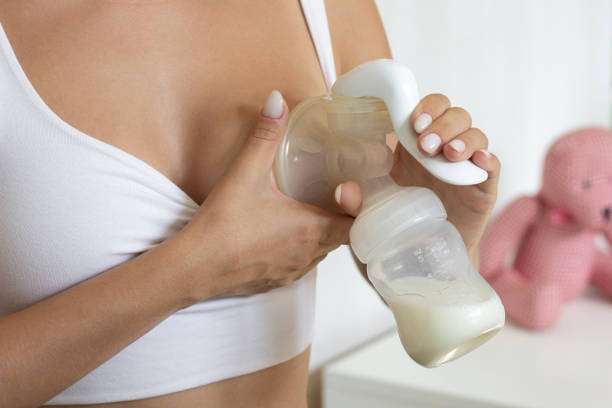
Mastering suction adjustment techniques not only makes each milking session more comfortable but also allows for more efficient milk storage.
If you are looking for a breast pump that is easy to operate, has adjustable suction, and is comfortable to use,
Our recommended products have been tested and proven by numerous mothers, balancing gentle suction with efficient milk production. They allow you to easily adjust the suction power and say goodbye to nipple pain and anxiety when expressing milk.