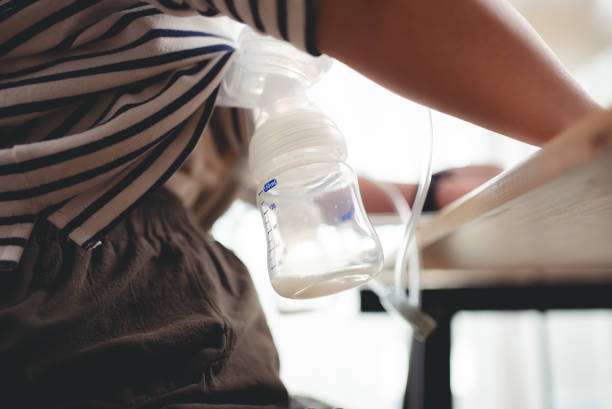
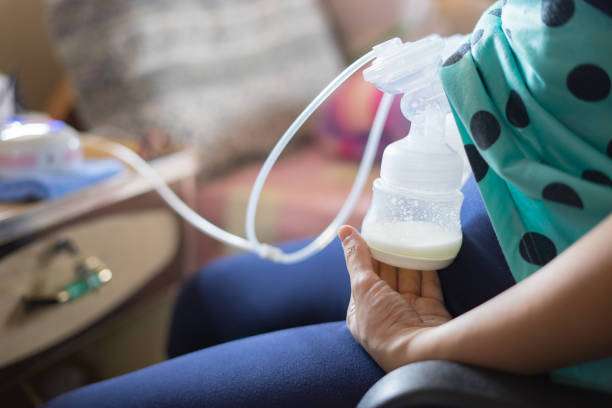
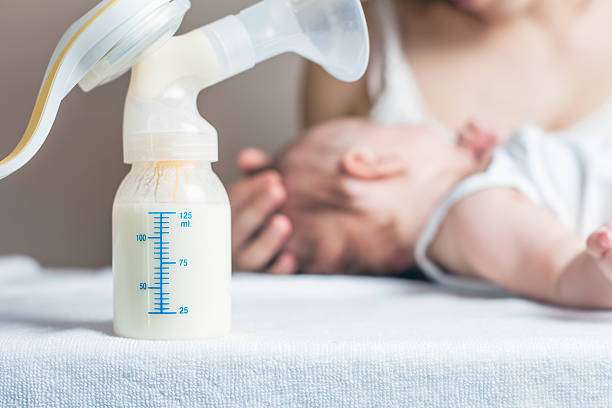
In the daily routine of childcare, breast pumps have become an essential tool for many new mothers. Whether returning to work or relieving breast engorgement, they can help solve many problems. But have you ever considered whether the posture while using a breast pump affects its effectiveness? Correct posture not only affects pumping efficiency but also directly impacts breast comfort and milk production.
As a new mom who deals with breast pumps every day, I have a deep understanding of this and would like to share my experience with everyone.
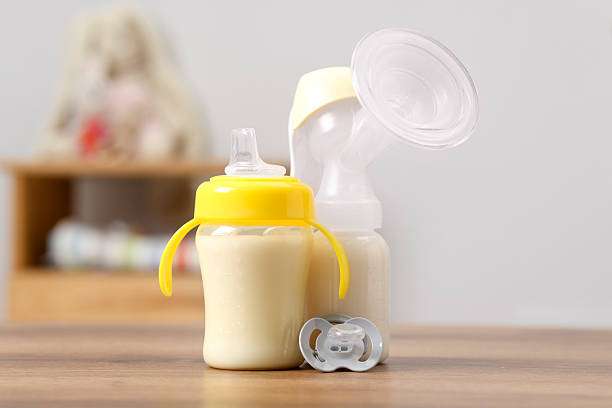
Why is breast pump posture so important?
Many new mothers focus only on suction power and brand when using a breast pump, neglecting a crucial factor—posture. Incorrect posture can lead to:
- Incomplete milk drainage: Improper sitting posture or arm support can easily cause milk residue to remain, affecting milk supply.
- Nipple pain or injury: An unstable or incorrect angle can pull on the nipple, which may eventually lead to cracks or swelling.
- Blocked milk ducts: Improper posture can prevent milk from flowing out smoothly, increasing the risk of mastitis.
- Poor user experience: Breast pumps are supposed to reduce the burden, but improper posture makes new mothers even more tired.
When I first used a breast pump, I didn’t adjust my posture or arm support properly, so I pumped for half an hour but produced very little milk and experienced severe engorgement and pain. After adjusting my posture, I became much more comfortable, and my milk supply increased significantly.
Correct usage posture
1. Sitting posture: Keep your body relaxed.
- Keep your back straight: It is best to choose a chair with a backrest to avoid leaning forward or bending over.
- Relax your shoulders: tight shoulders can affect blood circulation to the breasts.
- Keep your feet firmly on the ground: Place both feet flat on the ground, or use a footstool to stabilize your center of gravity.
I found that placing a small pillow behind my lower back to support my back makes breastfeeding much easier and less tiring.
2. Arm and breast support
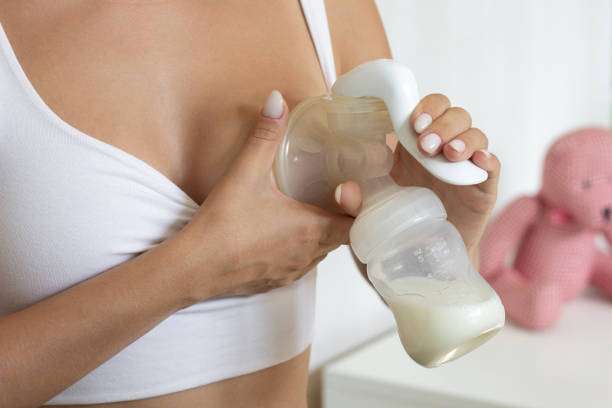
- Support your breasts with both hands or use a breast support pillow to avoid pressing directly on your breasts.
- The breasts naturally move towards the center of the breast pump, ensuring the nipples are directly in front of the breast pump nozzle.
3. Angle of nipple fit against breast shield
- The nipple should be positioned completely in the center of the breast pump nozzle, without any deviation.
- The angle should not be crooked or tilted; keep it vertically attached to avoid rubbing the areola.
Tip: Before each pumping session, gently massage your breasts to help milk flow more easily into the center of the nipple.
4. Adjust the suction power and rhythm.
- the breast pump suction to maximum at the beginning. It’s recommended to start with low suction to allow the nipples to get used to it and then gradually increase the suction.
- If using a double breast pump, make sure to balance the pressure on both breasts and avoid favoring one side.

The environment in which you use your posture also affects your posture.
A quiet and comfortable environment will make breast pumping easier.
- Sit on a soft, sturdy chair.
- Place a small table or pillow to support your arm.
- Keep the room temperature comfortable and avoid direct drafts on the breasts.
You can play some soft music or look at pictures of your baby to help you relax, which will make it easier for your breast milk to be produced.
Breast Pump Positioning—A Top Concern for New Mothers
Q1: Do I have to sit to use it?
A: Not absolutely, but sitting is the safest position and makes it easier to maintain the correct fit between the breast and the breast pump. If you want to use it lying down, make sure your back is well supported and use a pillow to support your breasts.
Q2: Will incorrect posture affect milk supply?
A: Yes. Incorrect posture may lead to incomplete milk expression, which may affect overall milk supply over time.
Q3: What are the differences in posture between manual and electric breast pumps?
A: The basic principles are the same, but manual breast pumps require more arm strength, and posture is more critical; otherwise, arm fatigue is more likely.
Q4: My baby is still small; how can I use a breast pump and hold the baby at the same time?
A: You can try the combination of “breast support pillow + breast pump” to let the baby rest safely next to you while ensuring the correct position of your breasts.
Tips for more efficient breast pumping
- Massage + warm compress: Gently massage the breasts before pumping, and apply a warm compress to promote milk flow.
- Adjust the angle: Fine-tune the angle of the flange opening so that the nipple fits vertically.
- Keep your mood relaxed: Stress can inhibit prolactin secretion and affect breast milk.
- Segmented pumping: Pump for 15–20 minutes each time, rest for 2–3 minutes, and then continue.
As a mother of two, I use a breast pump to empty my breasts every day. At first, I always thought the longer the better, and the stronger and faster the suction, the more frustrating it was, but nipple pain and inconsistent milk supply frustrated me. Later, I started focusing on posture adjustments, using a support pillow, massage, and relaxing my breathing, and the results were completely different: the milk flow was smoother, it was more comfortable to use, and the pumping time each time actually shortened.
Conclusion:
Using the correct breast pump posture can not only improve milk flow efficiency but also protect breast health, making breastfeeding easier for new mothers. Don’t let small posture issues affect your breastfeeding experience.
Choose an ergonomic breast pump and prepare a breast support pillow and heating pads to make every pumping session easy and efficient. Click now to learn more about breast pumps recommended by other mothers and start your comfortable breastfeeding experience!