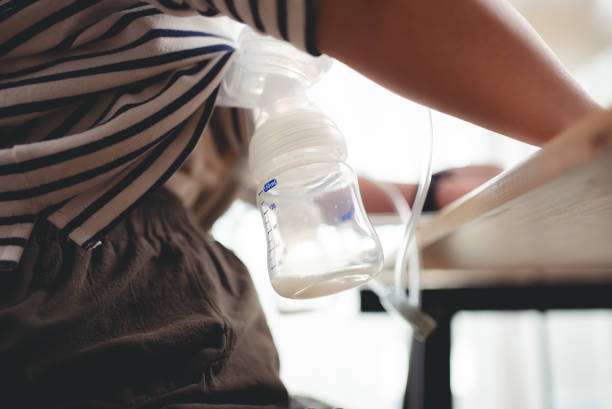
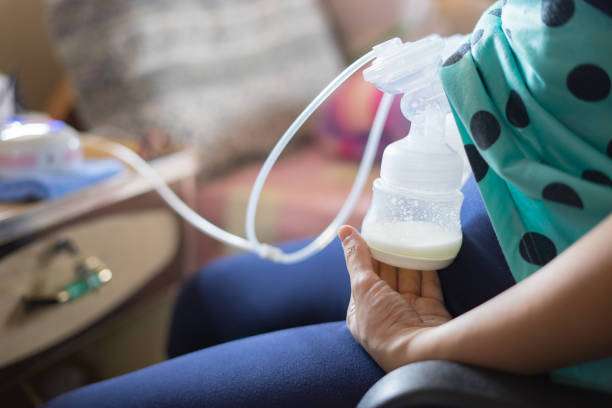
As a new mother, you often feel like you don’t have enough time when facing the multiple challenges of breastfeeding, work, and housework. Especially when you start using a breast pump to store breast milk, knowing how to efficiently schedule pumping becomes a key skill in daily life.
In practice, I also experienced insufficient milk supply or prolonged pumping time due to unreasonable time management. It wasn’t until I summarized some methods that my life gradually became easier and more organized.

Understanding the importance of pumping time
Using a breast pump involves more than just expressing milk; it encompasses several aspects:
- Maintaining milk supply: Regular breast pumping can stimulate continuous milk production.
- Reduce breast engorgement: Irregular or prolonged periods without pumping can easily lead to breast discomfort or even mastitis.
- Improve pumping efficiency: By scientifically scheduling pumping times, you can obtain more breast milk in a limited amount of time.
Experience sharing: When I first tried using a breast pump, I expressed milk randomly each time, resulting in inconsistent milk supply and low efficiency. After adjusting my schedule, my milk supply became more stable, and I saved 30-40 minutes each day.
Establish a milk pumping schedule
Arrange according to the baby’s feeding schedule
Observe your baby’s feeding habits. If they usually feed every 2-3 hours, you can schedule pumping between feedings.
30–60 minutes after a baby has finished breastfeeding or formula feeding, the breasts are relatively empty, making pumping more efficient.
Use a breast pump when your baby is crying or emotionally unstable, as this can easily distract you and prolong the pumping time.
Experience sharing: I found that using a breast pump for 15–20 minutes immediately after feeding my baby in the morning is the most effective way to increase milk supply.
Maintain a consistent daily pumping frequency
It is generally recommended to pump milk 3–5 times a day, adjusting according to your own and your baby’s needs.
- Weekdays: You can choose to pump milk in the morning, during lunch break, or in the evening.
- Weekends: Add one or two extra pumping sessions to prepare for milk storage.
Maintaining a consistent pumping frequency not only helps stabilize milk supply but also helps establish a routine, making time management more efficient.
Utilize fragmented time
Pumping milk doesn’t have to be done in one go; it can be broken into two short sessions.
Even short pumping sessions of 10–15 minutes can accumulate enough breast milk.
Do housework, read, or handle simple tasks simultaneously to improve time utilization.
I often use my baby’s 20-minute nap time to quickly use the breast pump once while also doing some simple housework. I feel that my day is much easier than before.
Tips to improve breast pump efficiency
Choose the right breast pump and accessories
A good-quality breast pump can shorten pumping time and reduce breast discomfort.
The size of the bra, bottle connector, and breast pump must fit your breasts properly; otherwise, it will be inefficient.
Use massage or hot compress.
Before pumping, gently massage your breasts or apply a warm towel to promote milk flow.
Apply heat for 1–2 minutes only, avoiding excessive stimulation.
Create a comfortable environment
A quiet, relaxing environment is conducive to lactation.
Playing soft music, taking deep breaths, or resting with your eyes closed can help the milk flow smoothly.
I found that when the environment is relaxed, the time spent using the breast pump is significantly reduced, and the milk supply is also greater.

Adjust the breast pump rhythm
Different brands of breast pumps have different speed settings. You can first use the fast setting to stimulate milk production and then switch to the slow setting to continue pumping.
Observe your breast response and find the most comfortable and effective rhythm.
Storage and time management combined
Properly store breast milk
Make full use of refrigerated or frozen space to avoid frequent pumping pressure.
Plan your daily needs in advance to reduce the stress of pumping milk unexpectedly.
Time Management Tips
- Use your phone to remind you: Set an alarm for pumping time to maintain a regular schedule.
- Create a weekly pumping schedule: indicate the time period for each pumping session to avoid forgetting or repeating pumping.
Experience sharing: I marked the pumping time on my phone calendar every week. After two weeks, it became a habit, and I no longer needed to remember it on the spot, which made life much easier.
Frequently Asked Questions (FAQ)
Q1: How long should I pump milk each day?
Generally, 15-20 minutes each time is sufficient. Pumping for too long does not necessarily increase milk production and may even cause fatigue.
Q2: Will pumping too infrequently affect milk supply?
Yes, milk production follows the “supply and demand law,” and using a breast pump regularly is more important than pumping a lot at once.
Q3: What if it’s inconvenient to pump milk on weekdays?
You can prepare storage bottles in advance and use the breast pump during your lunch break or in a quiet corner of the office, or break it into two short pumping sessions.
Q4: What if my pumping schedule is irregular?
We recommend using phone reminders and calendar planning to gradually establish a regular pumping habit.
Q5: What should I do if my breasts are still engorged after pumping?
You can apply a warm towel or gently squeeze your breasts to prevent blocked milk ducts.
Summarize
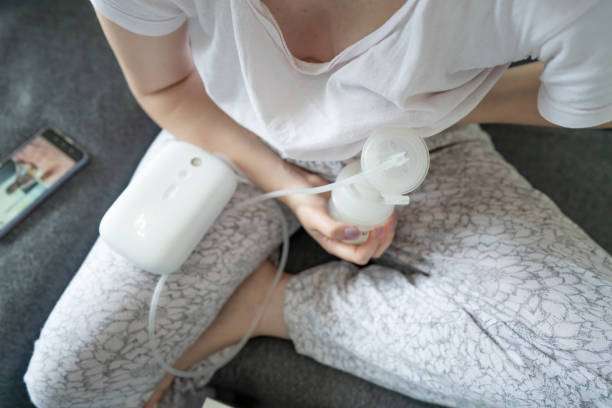
Managing breast pumping time is not complicated; it’s simply a combination of understanding your own needs, scientifically scheduling your time, and improving pumping efficiency.
- Regular breast pumping helps stabilize milk supply.
- Making the most of fragmented time makes life easier.
- A high-efficiency breast pump combined with a comfortable environment makes pumping milk smoother.
Experience sharing: Developing regular, flexible, and efficient breast pumping habits can help you ensure your baby gets the nutrition they need while also giving yourself some breathing room in your daily life.
If you want to save more pumping time each day while improving comfort, you can choose a high-efficiency breast pump kit, which comes with a breast shield that fits your breast size and a smart timer reminder, making pumping an easy part of your life.