Many mothers encounter the same question at some point on their breastfeeding journey:
Will using a breast pump cause more pain to the nipples?
Some people worry that the suction is too strong and will “damage” their nipples, while others experience stinging and redness after the first use. Some mothers have even developed a negative attitude towards breast pumps because of this. Especially in the postpartum period when emotions are already sensitive and the body has not fully recovered, such concerns are not unfounded.
However, based on extensive practical experience, breast pumps themselves are not the culprit behind “increased nipple burden.” What truly determines whether the nipples are affected is the method of use, the individual’s physical condition, and whether the product is suitable.
This article aims to explain this issue in a gentler and more truthful way.
Why do mothers think that “breast pumps damage nipples”?
Many mothers first encounter breast pumps during periods of engorgement, blocked milk ducts, or frequent nighttime feedings, when their nipples are already under heavy strain.
1. My body isn’t ready yet.
A breast pump directly at this stage can easily cause discomfort.
2. Common misconceptions about suction power
Many mothers subconsciously think, “The harder you suck, the faster the milk comes out.”
But in reality, breast pumps don’t stimulate milk production by “sucking hard,” but rather by rhythm and fit.
Some mothers, when in a rush late at night, turn the power setting to the highest level and do manage to express milk in a short time, but the stinging sensation in their nipples lasts for several days. This experience is not uncommon.
3. The speaker grille is not the right size.
This is the most easily overlooked point.
If the breast pump cover is too small, it will rub against the nipple; if it is too large, it will pull on the areola, making the use of the breast pump a “burden.”
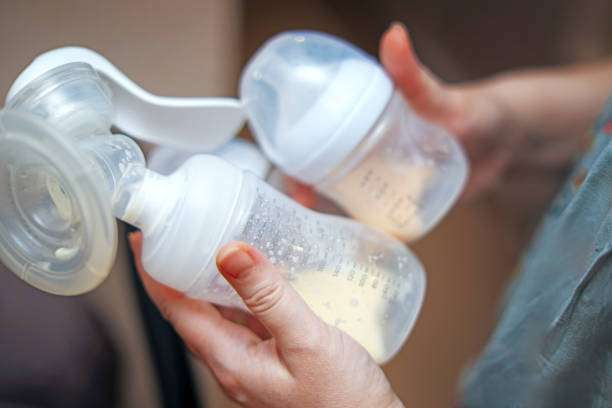
Does a breast pump really “increase the burden on the nipples”? The key lies in these three points.
From a physiological perspective, the proper use of a breast pump will not cause additional damage to the nipples, and in some cases, it can even reduce the burden on them.
1. It is not a “predatory” tool.
A good breast pump mimics a baby’s sucking rhythm, rather than continuous negative pressure.
When the suction rhythm is appropriate, the nipple is actually in a relatively gentle and adaptable state.
2. When used correctly, it can actually reduce friction.
When a baby has difficulty latching on and frequently pulls on the nipple, using a breast pump for a short period can sometimes give the nipple a “structural rest.”
A breast pump during the period of cracked nipples, along with proper care, actually recovered faster.
3. Pain ≠ Injury
Mild swelling or discomfort in the initial stages
of using a breast pump does not necessarily mean that the nipple is being “damaged.” What you should really be wary of are persistent pain, cracked skin, bleeding, or noticeable discoloration.
In what situations does it truly mean “increased burden on the nipples”?
If the following situations occur, adjustments should be made promptly instead of trying to tough it out:
- I always manage to “get through” thanks to the high suction power.
- Neglecting nipple care
- Excessive usage time
1. I always manage to “get through” thanks to the high suction power.
A breast pump with excessive suction can cause the nipples to be in a state of chronic stretching, increasing fatigue.
2. Neglecting nipple care
If you get dressed and go to sleep immediately after breastfeeding without any moisturizing or repairing, your nipple skin is more likely to become dry and cracked.
3. Excessive usage time
Pumping for more than 30 minutes at a time does not improve efficiency and may even cause nipple engorgement.
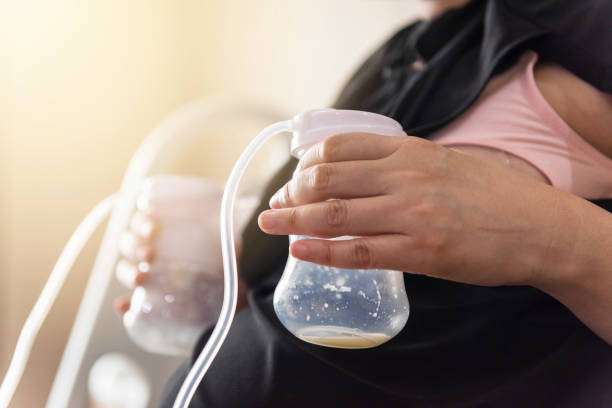
How can we truly reduce the burden while using it?
- Increase suction power gradually, rather than all at once.
- Size is more important than brand.
- Allow the nipples time to recover.
- Relaxing your emotions really helps.
1. Increase suction power gradually, rather than all at once.
Allowing the body to adapt to the rhythm first and then gradually adjusting is the most important step in using a breast pump.
2. Size is more important than brand.
A properly fitting breast pump can keep the nipples centered and naturally extended in the breast pump, rather than being rubbed.
3. Allow the nipples time to recover.
Even with regular breast pump use, it doesn’t mean you have to be “on” 24/7.
Properly spacing out pumping sessions helps nipples regain elasticity.
4. Relaxing your emotions really helps.
When you’re tense or anxious, using a breast pump can cause your body to instinctively fight off the negative pressure, making you more prone to discomfort.
Some mothers have found that, under the same settings, the experience is significantly better when you’re relaxed.
Based on the mother’s actual feelings, the problem isn’t the tools but rather the “level of cooperation.”
Many negative reviews of breast pumps stem from a mismatch between physical condition, understanding, and usage.
When a breast pump is treated as a “must-endure tool,” the nipples will naturally experience more pressure;
But when it is seen as an auxiliary, adjustable, and negotiable tool, the experience will be completely different.
Breastfeeding is already very difficult, and no tool should make mothers suffer any more.
FAQ
Q1: My nipples are red after using it. Is it because I’m injured?
Not necessarily. Temporary redness is mostly a congestion reaction. If it subsides within 30 minutes, there’s usually no need to worry too much.
Q2: Will a breast pump make my nipples bigger or deformed?
No, it won’t with normal use. Long-term discomfort is usually related to excessive suction or an unsuitable size.
Q3: My nipples are already sore; can I still continue using a breast pump?
You need to reduce the frequency and suction power and strengthen care. If there is severe skin breakage, you should temporarily stop using it.
Q4: Will daily use cause nipple “overuse”?
If the frequency and duration are arranged reasonably, it generally won’t. The key is to allow sufficient recovery time.
Q5: If I feel uncomfortable, does it mean that I’m not suitable to use a breast pump?
More often than not, it’s a problem with the settings or method, rather than the mother being “unsuitable.”
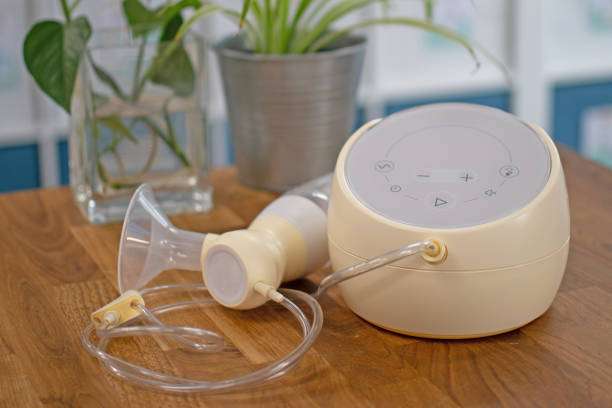
Summarize:
A breast pump shouldn’t be something that forces mothers to grit their teeth and endure.
When chosen correctly, used gently, and with respect for the body’s feedback, it’s more of a support than a source of stress.
If you’re looking for a breast pump with adjustable suction, natural rhythm, and more user-friendly size options, be sure to carefully compare the product details rather than just looking at the price or the number of reviews.