
For many new parents, breast pumps have become an integral part of daily life. Whether for relieving breast engorgement or storing breast milk for later use, proper use of a breast pump can not only improve breastfeeding efficiency but also maintain breast health.
However, improper suction power or incorrect usage can lead to breast discomfort or even blocked milk ducts. This article will analyze the relationship between breast pump suction power and breast health from both scientific and practical perspectives and provide safe and effective usage recommendations.

of a breast pump important?
A breast pump works by mimicking a baby’s sucking motion to draw milk from the mammary glands. Different suction levels create different levels of stimulation and pressure on the mammary glands.
Insufficient suction: This may result in insufficient milk drainage and incomplete emptying of the mammary glands, which may lead to blocked mammary glands or breast engorgement in the long term.
Excessive suction: Although it can quickly express milk, it can easily overstimulate the mammary glands and even cause nipple cracking or damage to the mammary gland tissue.
The right suction power for your breasts is crucial during use. Most breast pumps offer adjustable suction, which helps users find a balance between comfort and efficiency.
breast pump suction on breast health
1. Prevent blocked milk ducts
Blocked milk ducts are a common problem during breastfeeding, mainly manifesting as localized lumps and pain in the breast, sometimes accompanied by a slight fever. Moderate suction can help:
- Promote even milk flow
- Reduce intramammary pressure
- Reduce the risk of blocked milk ducts
2. Relieve breast tenderness
Breast engorgement often occurs during peak lactation periods or when milk has not been expressed for an extended period. Proper use of a breast pump is recommended.
- Relieve breast pressure
- Stimulate milk flow
- Helps restore comfort to the breasts
3. Protects the nipple and breast tissue.
Excessive suction or prolonged continuous use of a breast pump can easily damage the nipples and breast tissue. Proper suction adjustment is essential.
- To avoid nipple cracking and pain
- Reduce the risk of mastitis
- Improve the comfort of long-term breastfeeding

How to choose the right breast pump suction
When choosing the appropriate suction power, you can refer to the following principles:
- Start with a low suction power.
When you first start using it, you can choose a gentle suction power to allow your breasts to gradually adapt. - Gradually adjust to a comfortable yet effective intensity.
Once the milk begins to flow, gradually increase the suction based on your personal comfort level to avoid overstimulation. - Note the breast pump modes:
Some breast pumps offer a “massage mode” and a “drainage mode.” First, use the low-frequency massage mode to stimulate the mammary glands, and then switch to the drainage mode to more closely resemble the baby’s natural sucking rhythm. - Avoid prolonged continuous use.
Generally, 15–20 minutes of use per session is sufficient. Excessive use may increase the burden on the breast tissue.
Here are a few tips for using a breast pump:
- Find the most comfortable position: sit relaxed with your shoulders naturally drooping to avoid compressing your breasts.
- Apply a warm compress before using the breast pump: A gentle warm compress can help the milk flow smoothly.
- Record each milk expression: observe whether there are lumps in the breast and whether the milk flow is smooth, and adjust the suction and usage time in a timely manner.
These simple methods can greatly improve breast pumping efficiency while protecting breast health.
Routine maintenance and precautions
- Regularly clean breast pump parts
to prevent bacterial growth and avoid breast infections. - Pay attention to changes in your breasts.
If you experience persistent lumps, redness, swelling, or fever, seek medical attention promptly. - advisable to schedule the frequency of milk expression reasonably
and avoid long intervals, which can put the mammary glands under high pressure. - When milk is difficult to express from certain corners, gently massaging the breast or expressing by hand can more effectively prevent blocked milk ducts.
FAQ:
Q1: Will excessive suction from
A: Yes, excessive suction can cause nipple fissures and irritate the mammary gland tissue. Long-term use may even cause mastitis.
Q2: Is slow milk flow due to insufficient suction?
A: Not necessarily. Milk flow rate is related to individual breast condition, posture, and timing of expression. You can try adjusting your posture or massaging your breasts.
Q3: How many times a day should it be used?
A: Usually 15-20 minutes each time, 2-3 times a day, is appropriate. The specific number can be adjusted according to the degree of breast tenderness.
Q4: Do electric and manual breast pumps have the same effect on breast health?
A: They work on the same principle, but electric breast pumps usually have adjustable suction and a more stable rhythm, making it easier to find a comfortable mode; manual breast pumps require careful technique to avoid excessive force.
?Q5: Can I still use a breast pump if my breasts are blocked ?
or areA: Yes, but you should choose a low suction level and use gentle massage to avoid aggravating the blockage with excessive force. If your breasts become red and swollen or accompanied by fever, you should seek medical attention promptly.
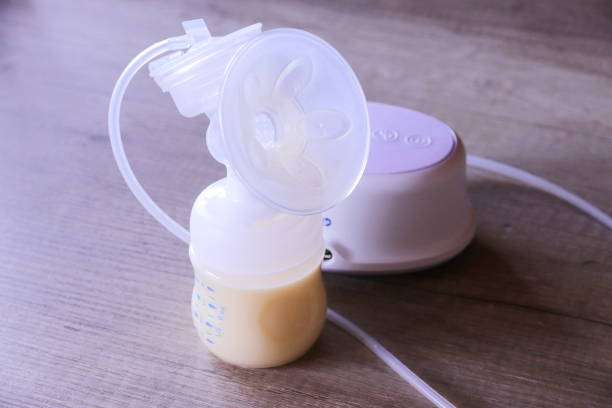
Summarize
A breasta breast pump has a significant impact on breast health, but this can be mitigated by adhering to a few key principles:
- moderate suction power
- Comfortable posture and usage time
- Regular cleaning and breast observation
This allows for efficient milk expression while ensuring breast health. Proper use of a breast pump not only relieves breast pressure but also makes storing breast milk easy and safe.
To help make daily breastfeeding more efficient and comfortable, our breast pump series is designed with the following in mind:
- Adjustable suction is gentle and does not damage breast tissue.
- High-quality materials, safe and durable
- Easy to operate and conforms to the natural sucking rhythm
Breast pump for you to make milk expression easier and promote healthier breasts.