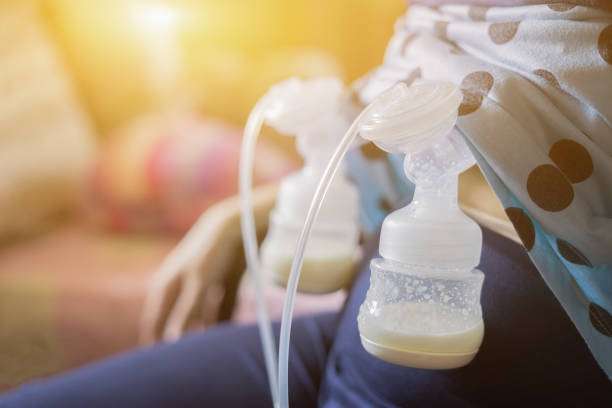
Many mothers encounter a common problem when using a breast pump: breast engorgement and pain, even significant discomfort, after pumping. I experienced this myself when I first started using it—after pumping continuously for 20 minutes, my breasts felt rock hard, and even a light touch caused soreness. At that moment, I truly realized that breast pumping is not just a technical issue but also involves managing breast health and comfort.
This guide covers breast pump usage, including the causes of bloating and pain, relief methods, daily prevention tips, and precautions, helping you use your breast pump safely and effectively.
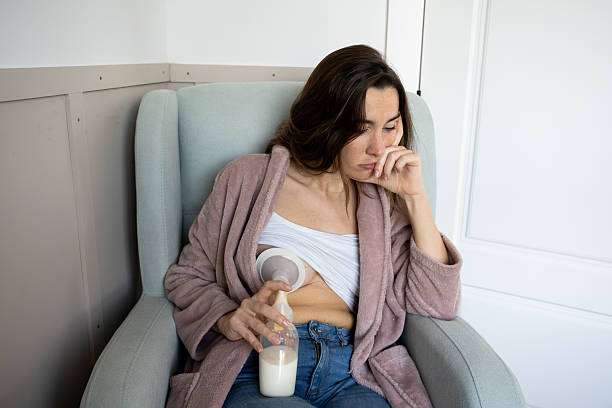
Reasons for Breast Engorgement and Pain After Breast Pumping
1. Breast Engorgement and Pumping Rhythm
The breasts may already have a certain amount of milk stored before pumping. When using a breast pump, the milk is rapidly extracted, causing a sudden drop in pressure within the mammary glands. Since the surrounding tissues have not yet fully adapted, this can result in a feeling of fullness and pain.
In my own experience, this is most likely to happen when pumping milk for the first time in the morning, because there is more milk accumulated overnight.
2. Excessive Suction or Prolonged Suction Duration
Many mothers mistakenly believe that “the stronger the suction, the faster the milk will be,” so they set the breast pump to a high setting and pump continuously for 15-20 minutes or more.
In fact, high suction can stimulate the nipples and mammary glands, causing congestion of tiny blood vessels. Prolonged pumping can overwork the mammary glands, resulting in a feeling of soreness and engorgement.
3. Cup or Catheter Mismatch
Improperly sized breast pump cups or poorly sealed tubing can also cause engorgement and pain after pumping.
A bra cup that is too small will compress the nipples and areolas.
The bra cups are too large, resulting in insufficient suction and incomplete milk drainage, leaving the breasts still engorged.
Air leakage in the catheter can lead to uneven suction and uneven pressure on the breast tissue.
4. Pumping Frequency and Breast Adaptability
The mammary glands need time to adapt to the pumping rhythm. If the breast pump is used too frequently or at too short intervals, the breasts cannot be fully emptied, which can easily lead to engorgement and pain.
My later experience showed that giving the breasts 30–40 minutes to “rest” after each pumping session significantly relieved the engorgement and pain more quickly.
Methods to Relieve Engorgement and Pain After Pumping
1. Gently Massage the Breasts
After pumping, gently massage from the outer edge of the breast towards the nipple; this can help:
- Promote the drainage of residual milk
- Reduce breast pressure
- Relieve swelling and pain
Tip: Massage for 2-3 minutes each time, and do not use excessive force to avoid injuring the breast tissue.
2. Warm Compress
Applying a warm towel or hot water bottle to the breasts for 5–10 minutes can help:
- Relax breast smooth muscles
- Improve local blood circulation
- Relieve soreness and swelling
One morning after pumping milk, my breasts were very hard. I applied a warm towel for 5 minutes, and the pain decreased significantly, and the milk flowed out much more smoothly.
3. Apply a Cool Compress as Needed
If your breasts feel slightly swollen or hot after pumping, you can apply a cooling compress to the area around your breasts for a short time to help:
- Relieve breast inflammation
- Reduce swelling
Note: The cold compress should not be applied for more than 10 minutes.
4. Adjust the Usage of the Breast Pump
- Reduce suction power appropriately: choose a comfortable setting and don’t blindly pursue high suction power.
- Pumping in segments: 10–15 minutes each time, with a 10-minute break before continuing.
- Use the appropriate bra cup to ensure even suction and smooth milk flow.
- Check the catheter seal to prevent air leakage that could cause breast discomfort.
5. Relax Your Body Position After Pumping Milk
- Lean slightly forward, arms relaxed
- Take a deep breath and keep your breast muscles relaxed
- Avoid prolonged tension or pressure on the breasts
These simple actions can significantly reduce the engorgement and pain after pumping.
Daily Prevention Strategies
Regular pumping: Maintain a consistent pumping rhythm to avoid overfilling of the breasts.
Ensure breast comfort: Before using a breast pump, apply a warm compress to your breasts to help milk flow more smoothly.
Keep your breasts clean and dry: Avoid moisture around the nipples to reduce the risk of infection.
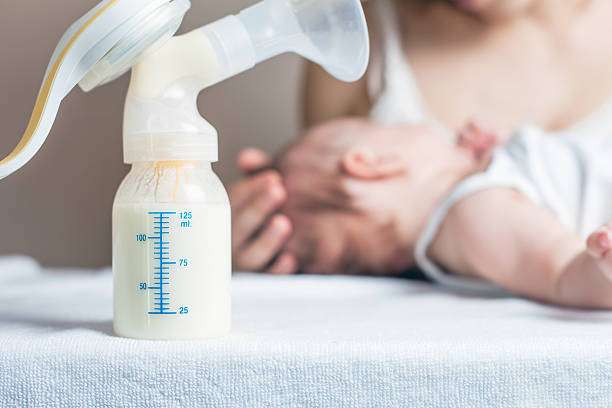
Breast pump maintenance tips: Clean thoroughly, and regularly check the cup and tubing to ensure stable suction.
Drink plenty of water and get adequate rest: Adequate hydration helps with milk production, and good rest also promotes healthier breast tissue.
Personal Experience Sharing When Using a Breast Pump
Experience 1: After pumping continuously for more than 20 minutes the first time, my breasts became extremely engorged and painful. Later, I switched to segmented pumping, 12-15 minutes each time with a 10-minute break in between, and the engorgement and pain were significantly relieved.
Experience 2: When pumping in the morning, I first do a 2-minute gentle breast massage before using the breast pump; this makes the milk flow smoother and reduces the engorgement and pain after pumping.
Experience 3: Sometimes, when I have localized lumps in my breasts, using warm compresses combined with gentle massage quickly relieves the pain, which I find more effective than simply relying on the breast pump.
FAQ: Common Issues Related to Breast Engorgement and Pain After Breast Pumping
Q1: Is it normal to experience engorgement and pain after pumping?
Mild engorgement and pain are normal and are usually related to breast fullness and pumping rhythm.
Q2: Will continuous use of a breast pump worsen engorgement?
If the intervals are too short or the suction is too strong, it can easily worsen the engorgement. It is recommended to pump in segments, with intervals of 10–15 minutes.
Q3: What should I do if I have breast lumps after pumping?
You can use warm compresses and gentle massage; in most cases, the lumps will subside quickly. If they persist or are accompanied by redness, swelling, or fever, you should seek medical attention.
Q4: Will the breast pump cause swelling and pain when it gets hot?
Normal heating will not affect the breasts, but if the motor overheats or the suction is abnormal, it may increase discomfort. You should stop using it and check the device.
Q5: How to reduce engorgement and pain after pumping?
Use a suitable bra cup, adjust to a comfortable setting, pump regularly, apply warm compresses or massage, and keep your breasts relaxed.
Summary
Breast engorgement and pain after pumping is a common phenomenon, and in most cases it is a natural reaction of the mammary glands and breasts to adapt to the pumping rhythm.
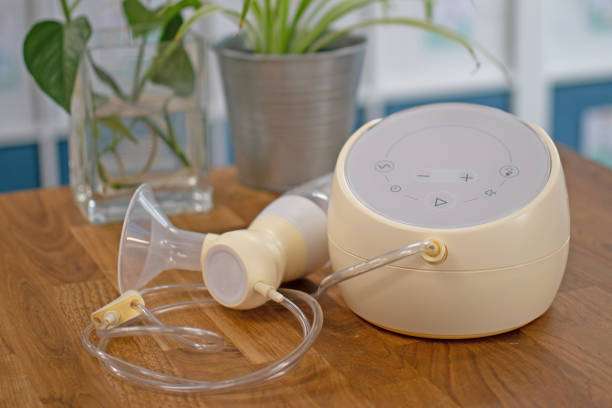
When choosing a breast pump with reasonable heat dissipation, you should pay close attention to:
- Flexible suction adjustment
- The bra cup size fits well
- The motor is stable and generates little heat during continuous use
Click to view our curated selection of breast pumps to make pumping easier, reduce engorgement and pain, and enhance your breastfeeding experience.