
Milk production is one of the most pressing concerns for every mother during breastfeeding. Especially in the early postpartum period, engorgement not only causes breast swelling and pain but can also lead to blocked milk ducts, hindering successful breastfeeding. In recent years, many mothers have used breast pumps to alleviate discomfort. But are these tools truly effective? This article will provide a comprehensive analysis from the perspectives of scientific principles, practical operation, precautions, and FAQs.
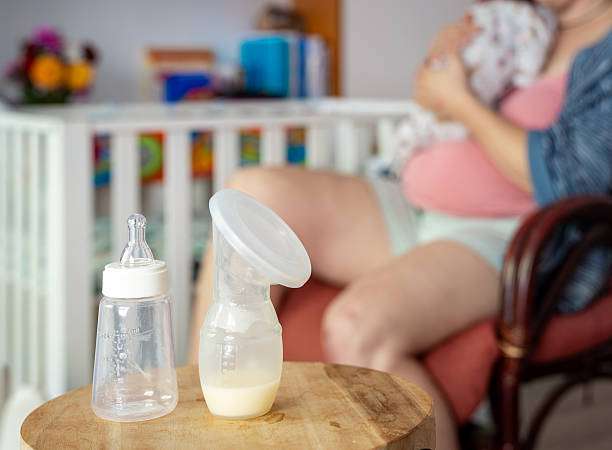
What is breast engorgement? Why does it happen?
Breast engorgement is a condition where excessive milk accumulates in the breasts, causing swelling, tightness, and even pain. Common causes include:
Excessive milk production: In the early postpartum period, the amount of milk secreted by the mammary glands exceeds the amount ingested by the baby, which can easily lead to milk accumulation.
Insufficient suckling by the baby: Milk remains in the mammary glands, causing engorgement and pain.
Long intervals between breastfeeding sessions: Breast milk accumulates, causing engorgement.
Incomplete breast emptying: Improper breast structure or breastfeeding posture prevents complete emptying of the breast.
Breast engorgement not only causes physical discomfort but can also lead to blocked milk ducts or even mastitis, so timely milk expression is very important.
Does a breast pump relieve breast engorgement?
A breast pump expresses milk by mimicking a baby’s sucking motion. Its main functions include:
Stimulates milk flow: Negative pressure suction stimulates milk secretion and reduces breast pressure.
Relieves breast swelling: After expressing excess milk, the tightness is significantly relieved.
Preventing blocked milk ducts: Regular milk expression can reduce milk retention.
Regulates milk production: helps establish a regular emptying rhythm and avoids excessive breast engorgement.
the breast pump on the seventh day postpartum, my breast engorgement was significantly relieved, especially at night when my baby slept for long periods. Using it to empty my breasts allowed me to rest comfortably all night.
Precautions for use
Using a breast pump correctly is crucial; otherwise, it may have the opposite effect.
1. Choose the appropriate model
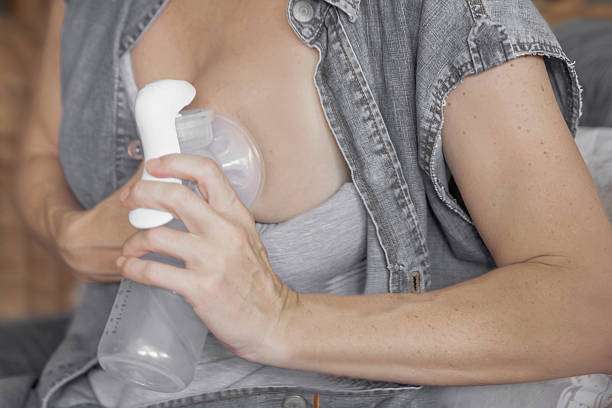
Manual: Suitable for occasional milk expression, portable, and easy to operate, but slightly less efficient.
Electric: Suitable for mothers who frequently express milk or have a large milk supply, with stable suction and time-saving features.
Bilateral: Expresses milk from both sides simultaneously, which is more efficient and suitable for use when you urgently need to relieve breast engorgement.
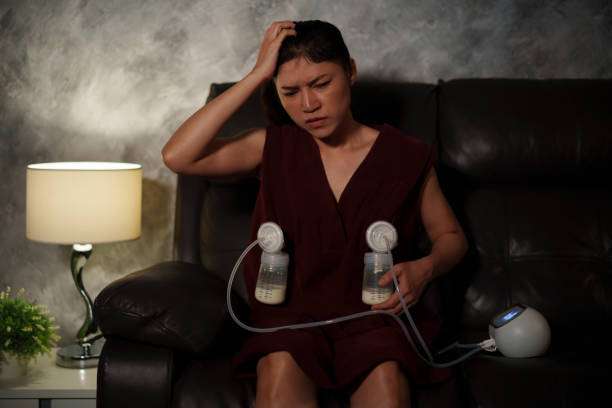
2. Adjust suction power and frequency
For first-time users, it is recommended to choose a lower suction level to avoid nipple discomfort or pain. Use for 10-15 minutes each time, then empty the breast completely.
3. Keep breasts clean.
Clean the breast and accessories before and after use to avoid bacterial infection. Simply wash with warm water and air dry.
4. Avoid over-reliance
A breast pump is an aid and cannot completely replace a baby’s sucking. Overuse may lead to nipple sensitivity or excessive milk production. It should be used in conjunction with a regular breastfeeding schedule.
found a few tips to be effective in relieving breast engorgement when using a breast pump:
Apply a warm compress first: Before use, apply a warm towel to the breasts for 3-5 minutes to promote milk flow.
Simulates suckling rhythm: The electric breast pump has an adjustable rhythm. I first stimulate the milk production quickly and then slowly empty the breast.
Record milk output: This helps adjust your breastfeeding plan and prevents excessive milk buildup.
Comfortable posture: Sitting or semi-reclining positions provide better relaxation and reduce breast pressure.
Using these methods, I clearly felt a reduction in breast engorgement and pain, and my baby was able to nurse more easily.
Common usage mistakes
Misconception that breast pumps increase milk production: Breast pumps primarily remove excess milk and stimulate production, but they do not increase milk production indefinitely. Misconception that more frequent use is better: Overuse may lead to nipple pain or mastitis.
Misconception that it can completely replace breastfeeding: Babies can also obtain immune substances and oral stimulation by sucking milk, which cannot be completely replaced by a breast pump.
FAQ
Q1: Can a breast pump relieve nighttime engorgement?
A: Yes, milk production is high at night, and using a breast pump to empty the breasts can relieve engorgement and improve sleep quality.
Q2: Will using it affect my nipples?
A: If the suction is too strong or used too frequently, you may experience slight pain or breakage. It is recommended to start with a low suction level and gradually adjust.
Q3: How long does it take to relieve breast engorgement?
A: It usually takes 10-15 minutes to relieve engorgement each time. The effect is more obvious with continuous and regular use.
Q4: Can I feed my baby the expressed breast milk?
A: Of course, you can refrigerate or freeze it before feeding.
Q5: Is it suitable for all mothers?
A: Most mothers can use it, but those with acute mastitis, breast wounds, or severe nipple cracks should consult a doctor.
Both psychological and physical benefits
Using a breast pump not only relieves breast tenderness but also has a positive psychological impact:
Reduce anxiety: Quickly relieve discomfort and put Mom at ease.
Establish a regular breastfeeding rhythm: Regularly expressing milk helps the breasts establish a stable rhythm.
Increased freedom: Storing breast milk allows you to feed your baby even when they are not around, reducing life stress.
a breast pump to store breast milk while I was at work, which not only relieved engorgement but also helped me find a balance between work and breastfeeding.
Conclusion:
In summary, breast pumps are effective in relieving engorgement, but proper use, choosing the right model, and mastering the techniques are essential. They are an important aid in breastfeeding, protecting breast health and improving breastfeeding comfort and efficiency.
If you are experiencing engorgement or want to manage breast milk expression more easily, it is recommended to choose a suitable breast pump and use it in conjunction with your daily breastfeeding routine. A scientifically sound method of expressing milk not only relieves discomfort but also makes breastfeeding smoother for both you and your baby.
Check out highly rated breast pumps, choose the right model, easily relieve engorgement, and enjoy a comfortable breastfeeding experience!