
is, areIn the world of maternity and baby products, the question of whether or not breast pumps are a rip-off is almost unavoidable, and breast pumps often find themselves at the center of this debate. On one hand, there are promotional slogans like “freeing up your hands and improving efficiency,” while on the other hand, there are genuine complaints like “bought it but barely used it” and “it’s better to just breastfeed directly.” So the question is: are breast pumps really a rip-off?
Answering with only “yes” or “no” is unfair to most new mothers. Truly valuable judgments should be based on the usage scenario, physical condition, parenting style, and psychological expectations.
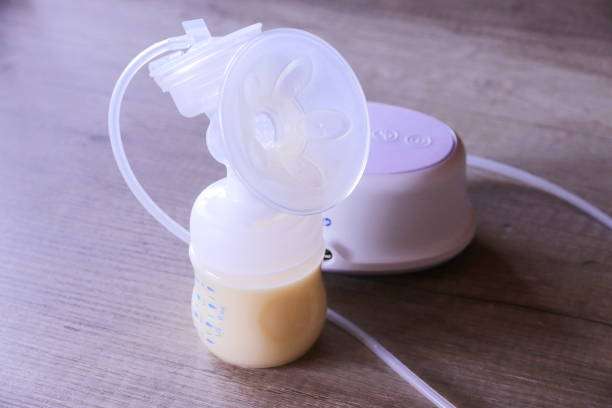
Why do many people think breast pumps are a waste of money?
Over-hyping:1. Over-hyping, expectations were set too high.
Many people first encounter breast pumps during pregnancy when they are introduced to them by various “must-have” lists. Advertisements portray them as almost omnipotent: increasing milk supply, clearing milk ducts, preventing blocked milk ducts, improving breast milk quality, freeing up hands… But in reality, no matter how advanced the tool is, it cannot replace the body’s natural responses.
I have a friend who bought an expensive model before giving birth, only to find that her lactation was already smooth and her baby was willing to breastfeed, so she didn’t use it very often, which led to a sense of disappointment.
2. The barrier to entry for use is severely underestimated.
—everyBreast pumps are not appliances that can be used “out of the box and right out of the box.”
Adjusting the pressure, wearing angle, usage time, cleaning, and disinfection, every step directly affects the experience.
Many people experience discomfort or even pain upon first use and quickly label the product as “useless” or “a waste of money.” However, the negative experience caused by improper use is mistakenly attributed to a problem with the product itself.
?So why are so many people unable to live without a breast pump ?
“optional.”1. For stay-at-home moms, it’s not “optional”.
breastfeed?” butWhen you need to return to work, go out for short periods, or are unable to breastfeed around the clock, the value of a breast pump becomes immense.
It doesn’t solve the question of “Can I breastfeed?”, but rather whether breastfeeding can be continued.
—knowingIn actual use, the most obvious feeling I got was not “how much easier it is,” but the psychological peace of mind – knowing that even if something comes up unexpectedly, the feeding plan will not be disrupted.
tool.”2. For people with certain physical conditions, it is a “necessary tool”.
Not every mother can breastfeed successfully at all times and in all situations. Some people will encounter:
Unstable milk secretion rhythm
Initial swelling and pain were obvious.
The baby’s sucking ability is weak.
In these cases, the breast pump is more of an auxiliary tool than a “shortcut” to breastfeeding.
The essence of “IQ tax” is not actually the product itself.
Many things labeled as “IQ tax” share three common characteristics:
Buying without a clear need
The usage scenario does not match its own characteristics.
Marketing rhetoric replaced real information
.The same applies to
breast pumps . If you don’t need to bottle-feed, don’t need to store milk, and have a relatively stable lifestyle, then it might indeed sit in the cupboard for a long time; but if you have a specific use case, its presence will be very noticeable.
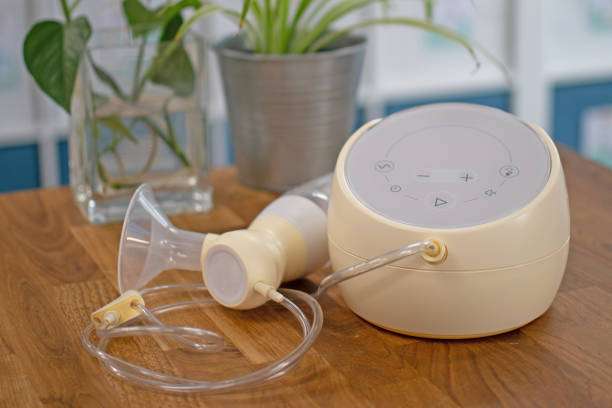
How do you determine whether you need something, rather than whether you’ll regret it?
You can conduct a self-assessment using these questions:
Do you plan to be separated from your baby for a period of time or a longer period of time?
Do you want to establish a stable milk storage routine?
Are there any practical limitations to breastfeeding (time, physical condition)?
Are you willing to learn and adapt to a tool?
a breastIf you answered “yes” to two or more of the above questions, then breast pump is more likely a utility-based consumer product than a scam.
A higher price does not necessarily mean it’s more suitable for you.
This is an often overlooked fact.
Higher-priced models usually mean more modes and more complex structures, but they may also mean a higher learning curve.
I only realized after changing models that compatibility is far more important than specifications. Instead of pursuing the “most expensive” or “most comprehensive” options, it’s better to choose models that are intuitive to operate, easy to clean, and have low maintenance costs.
FAQ:
Q1: Will
Does a breast pump affect the quality of breast milk? A: If used and cleaned correctly, it will not directly affect the quality of breast milk. The key factors are still individual diet, sleep, and emotional state.
Q2: Will daily use lead to dependency?
A: It will not create physiological dependency, but it may form a habit. Whether to continue using it should be adjusted according to the feeding stage.
Q3: Is it normal to feel pain when using it?
A: A slight pulling sensation is normal. Significant pain is usually related to the intensity setting or how it is worn and should be adjusted promptly.
Q4: Is it necessary to prepare before childbirth?
A: Not necessarily. Many people decide after childbirth based on their actual needs, which is often more rational.
Q5: Do I have to store the expressed milk?
A: Not necessarily. You can adjust the schedule according to the day’s feeding plan. There’s no need to put unnecessary pressure on yourself.

Summarize:
Instead of getting hung up on whether it’s a “scam” or not, consider this from a different perspective:
Does it solve your current real problems?
When it comes to raising children, what’s truly expensive isn’t a particular tool, but the anxiety and self-blame that follow the wrong purchase. Rational judgment and choosing based on need are far more important than blindly following trends.
If you have already defined your use case and are looking for a breast pump that is easy to operate, maintain, and cost-effective, you can prioritize products designed to be closer to real-world usage habits.