
Many mothers worry about safety when they first come into contact with breast pumps during pregnancy or postpartum. There are various opinions online, with some saying that it will damage the nipples and others saying that it will not affect milk supply, making it difficult to decide.
After giving birth, I also had some doubts. The first time I used it, I was very careful, afraid of injuring my nipples or breast tissue. After carefully reading the instructions and consulting with professionals, I found that as long as you use it correctly, the breast pump is actually very safe and can even help milk flow smoothly and increase milk supply.

Security Basics
Breast pumps manufactured by reputable companies are medical-grade devices designed to help mothers express milk, not to harm the breasts or nipples. The safety of a breast pump is primarily reflected in the following aspects:
made of safe materials
are generally BPA-free or food-grade plastics that do not release harmful chemicals.
The suction power is adjustable
, allowing you to adjust the suction level according to your breast comfort level, and will not damage your nipples due to excessive suction.
The bra’s design is well-proportioned;
Its curvature and softness conform to the natural shape of the breast, fitting snugly while protecting the nipple.
When I first used it, I paid special attention to the material and only dared to try it after confirming that the bra was BPA-free. It turns out that a high-quality breast pump does not harm the nipples or mammary glands at all.
Key points for safe use
Even if the pump itself is safe, improper use can still lead to nipple pain or reduced milk supply. Therefore, mastering the correct usage method is very important:
Choose the appropriate breast pump type
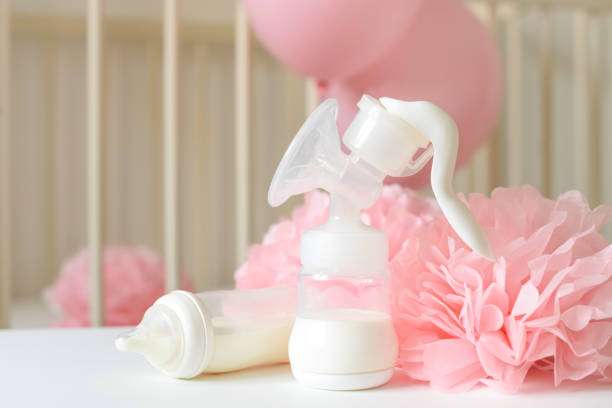
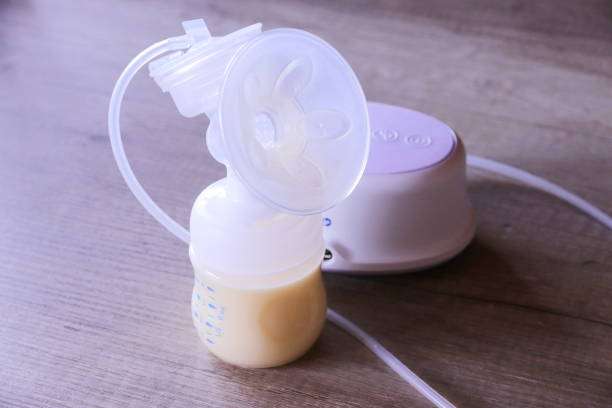
Electric: Suitable for mothers who need to express milk multiple times a day or require high efficiency. The suction power is even and adjustable, and the safety is high.
Manual: Suitable for occasional milk expression, simple to operate, and the suction power is controllable, but it can easily cause fatigue.
suction
level. Excessive suction may cause nipple pain or redness. This is not because the breast pump is unsafe, but because it is being used improperly.
When properly positioned,
The nipple should be centered on the breast pump, ensuring the pump fits snugly against the breast for efficient and safe operation. When I first started using it, my nipple wasn’t fully centered, causing some discomfort from the pump; after adjusting it, the problem was resolved.
Use time and frequency:
Each use should not exceed 20–30 minutes; 2–3 times a day is sufficient. Overuse can easily lead to fatigue and may also cause nipple sensitivity.
Common Misconceptions about Safe Use
Many mothers worry that it will change their breast shape, causing
sagging or deformation. In fact, breast sagging is mainly affected by age, changes during pregnancy, and the duration of breastfeeding and is unrelated to breast pumps.
A breast pump will not harm your mammary glands
as long as the nipple is centered and the suction is moderate. Blocked milk ducts are usually caused by uneven milk emptying or pressure on the breast. Proper use can even help milk flow smoothly.
Electric ones are more dangerous than manual ones.
Electric ones have adjustable suction, making it easier to maintain comfort, and when used correctly, they are actually safer.
Preparation and precautions before use
Check the breast pump material and accessories
to ensure the bra, tubing, and bottles are intact and clean.
Keep your breasts dry.
Moist breasts can cause breast bras to slip and suction to become unstable.
If you are aware of your own breast condition,
such as cracked nipples or breast inflammation, temporarily avoid using a breast pump and consult a doctor if necessary.
Maintaining a relaxed state of mind
and avoiding stress can affect milk production, and even if the breast pump is safe, milk supply may decrease.
I first used it; I kept myself relaxed and operated gently, and as a result, the milk flow was smooth, and my nipples were not uncomfortable.
How to determine if it is safe to use
Using a breast pump usually indicates that it is being used correctly:
Smooth milk flow and emptying of the breasts
The nipple is not painful or red.
No obvious discomfort during breast pumping
The breast pump provides stable suction, and the bra fits well.
If you experience nipple pain, low milk supply, or inconsistent suction, check the placement of the breast shield, the suction level, or the duration of use.
to improve breast pump safety
Regularly clean
to prevent milk residue from breeding bacteria and maintain hygiene and safety.
Choose a breast bra that fits your breast size
to avoid nipple pressure or insufficient suction.
Master the segmented breast pumping method:
Pump for 15–20 minutes each time, rest for 1–2 minutes, and then continue. This method is both efficient and safe.
Record user experience
, including breast pump settings, milk volume, and comfort, to optimize usage.
Conclusion
In general, breast pumps are safe, provided you choose reputable products, position the breast shield correctly, adjust the suction to the appropriate level, and pay attention to the duration and frequency of use. Mastering these methods will ensure that breast pumps not only do not harm the breasts or nipples but can also improve milk flow efficiency, making breastfeeding easier and more comfortable.
Visit our breast pump product section now to choose the perfect breast pump for you, making every pumping session safer and more comfortable!