
:Many new mothers encounter a common problem when using a breast pump : the pump doesn’t seem to get enough milk. This situation often causes anxiety and helplessness, especially when the baby needs to be fed promptly. As a mother who has personally experienced insufficient milk supply and difficulty pumping, I deeply understand this anxiety.
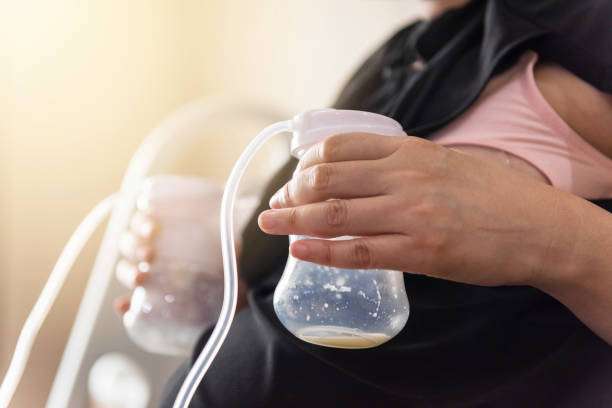
Why is my breast pump not getting any milk?
A breast might not be able to express milk, and understanding the cause is the first step in solving the problem. Common causes include:
Insufficient breast stimulation: Although suction can simulate a baby’s sucking, if the breast is not sufficiently stimulated and the mammary glands are not fully opened, milk may not come out temporarily.
Breastbreast pump suction settings: Too much or too little suction can prevent the breast pump from drawing milk. Too much suction can cause pain, while too little suction won’t stimulate the milk ducts.
Insufficient milk production: Hormonal fluctuations, insufficient rest, or excessive stress in new mothers may lead to insufficient milk production.
Incorrect operating posture: The position, angle, and fit of the breast pump bra can all affect the milk pumping effect.
Psychological factors: Anxiety, tension, and fatigue can all affect milk production, causing the breast pump to be unable to suck milk.
.In the first few days after giving birth, I also experienced the frustration of not being able to get enough milk from my breast pump . Every time I saw my baby crying from hunger, I felt anxious and helpless. But after gradually figuring things out, I discovered that by adjusting my methods, the problem could be solved step by step.
Solutions for not being able to nurse
Adjust suction and rhythm
Suction strength and rhythm are key. Generally, new mothers can start with low suction and gradually adjust to a comfortable and effective position. Some breast pumps offer a “massage mode” or “fast suction mode.” Using the massage mode to stimulate the mammary glands first, and then switching to the pumping mode, can usually increase milk supply.
;I first used the breast pump , the suction was too weak, and I could barely express any milk. Later, I tried the massage mode first, and after 5 minutes, I adjusted it to medium suction, and the effect improved significantly.
Pay attention to the placement of the bra.
.A poorly fitting or incorrectly positioned bra can affect the effectiveness of a breast pump . The nipple should be centered in the bra, and the entire breast should be inside the bra without any gaps. Before use, you can apply a warm towel to your breasts to relax the mammary glands and increase milk flow.
Stimulate the breasts first
Before using it, you can gently massage your breasts to stimulate the milk ducts and encourage milk flow to the nipple. This method is especially suitable for new mothers or mothers with low milk production, as it can significantly improve breast pumping efficiency.
4. Stay relaxed and comfortable.
.Psychological factors have a significant impact on milk production. Maintaining a relaxed and comfortable environment helps improve the effectiveness of the breast pump . Deep breathing, listening to soft music, or imagining your baby drinking milk can all help the milk ducts express milk more effectively.
;I experienced difficulty getting milk from my breast pump , I found that getting anxious only made things worse. Each time I adjusted my mindset and gently massaged my breasts, the milk supply would gradually increase.
5. Maintain regularity and patience.
,Milk production follows a regular pattern, and consistent use of a breast pump helps establish a stable milk supply. It is recommended to use the pump for 15-20 minutes each time, adjusting the frequency according to the baby’s needs; avoid using it for too long or too frequently. Regular use allows the milk ducts to adapt to the breast pump , improving milk extraction efficiency.
6. Diet and rest are also important.
Adequate sleep and nutrition are crucial for milk production. Drinking plenty of water and consuming foods high in protein and healthy fats can help maintain proper breast function. Excessive fatigue can worsen the situation where the breast pump cannot pump milk effectively.
7. Seek professional help promptly.
,your breast pump After trying the above methods , it is recommended to consult a lactation consultant or doctor. Professionals can provide advice on milk duct unblocking, posture adjustment, or lactation promotion based on the mother’s specific situation.
Apply a warm towel or hot compress to the breasts to help milk flow.
Let your baby suckle for a while first, then use the breast pump for a more natural stimulation of the mammary glands.
Record the amount of breast milk expressed each day, observe changes in milk production, and find the breastfeeding method that best suits you.
Summarize
Many new mothers encounter the problem of not being able to get milk from their breast pump, but with the right methods and patient adjustments, it can be improved in most cases.
My own experience, from not being able to get milk from the breast pump to gradually getting it working smoothly, was entirely due to continuous trial and error, especially combining manual massage and mental relaxation. The results were truly noticeable. I hope every mother can find the method that best suits them, making the breast pump an easy helper, not a source of stress.
If you’re also struggling with not getting enough milk with your breast pump, try these methods and stick with them for a while. You’ll find your milk supply gradually increases, making breastfeeding easier.
Experience our high-efficiency breast pump now, making pumping easier and providing effortless care for your baby’s every feeding!