
For new mothers using a breast pump, in addition to mastering expression techniques, sterilizing the breast pump is also an essential concern. Many mothers ask: Can breast pumps be sterilized in a microwave? The answer isn’t a simple “yes” or “no,” but rather requires consideration of the material, safety, sterilization effectiveness, and operating method.
In the early days of using the breast pump, I also put the accessories directly into the microwave, which resulted in slight deformation of the plastic parts and almost wasted a set of bottle components. Later, I learned scientific methods and finally mastered the technique of safely and effectively microwave-sterilizing the breast pump.
the breast pump microwave sterilization from the perspectives of safety, operation methods, precautions, alternatives, and personal experience, helping you to maintain hygiene efficiently in your home environment while extending the lifespan of your device.
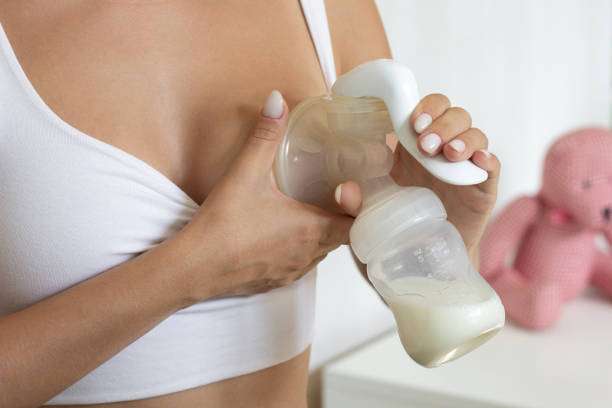
of Breast Pumps: Principles and Safety
1. Microwave Oven Sterilization Principle
Microwave oven sterilization mainly relies on the principle of hot steam:
Microwave heating of water produces steam, which permeates the surface of the breast pump, killing bacteria and viruses.
This method is quick, convenient, and suitable for daily family use.
2. Material safety
Not all breast pump accessories are suitable for microwave sterilization:
Microwave safe: High-temperature-resistant plastics and glass bottles are not recommended for microwave sterilization. Rubber tubing, some silicone sealing rings, and electronic components.
I once put the breast pump connector tube directly into the microwave oven, and the tube deformed slightly. This serves as a reminder to everyone to pay attention to the material.
3. Disinfection temperature and time
Common methods:
Add 50–100 ml of water and microwave for 3–5 minutes. The steam should fully cover all sterilizable items.
This is also a fundamental step in the scientific sterilization process of a breast pump microwave oven.
Operating procedures: Safe and efficient disinfection process
1. Disassembling breast pump parts
The horn cover, baby bottle, valve, and bottle cap are made of different materials and are processed separately to avoid damage from high temperatures.
2. Use a dedicated microwave sterilization box.
Choose sterilization boxes with water level markings and a sealed lid; avoid placing plastic parts directly into empty ovens or ordinary containers.
After using the microwave sterilization box myself, I can ensure that all parts are completely sterilized every time I operate it, and they will not deform.
3. Adding water and placing
Add water according to the markings on the sterilization box, arrange the disassembled microwaveable parts neatly, close the lid, and ensure even steam distribution.
4. Microwave heating
After cooking on medium-high heat for 3–5 minutes, wait 2–3 minutes to allow the steam to dissipate naturally before removing from the heat to avoid direct contact with your hands from the hot steam.
5. Remove and air dry
Use clean tongs to remove the item and place it on a clean tray or drying rack. Do not wipe it directly with a towel to avoid secondary contamination.
By mastering these steps, microwave sterilization of breast pumps can achieve efficient and safe results.
Precautions and common misconceptions
1. Not all breast pumps are microwave-safe.
The materials used in the accessories must be checked in the instruction manual. Parts containing electronic components must never be microwaved.
2. The disinfection time should not be too long.
Microwaving for too long can deform plastic; 3-5 minutes is usually sufficient.
3. Cleaning is required before disinfection.
Microwave sterilization only kills bacteria. If there are milk or oil stains, they must be cleaned with warm water first.
4. Avoid excessive pressure due to a tight seal.
The sterilization box must have a vent; otherwise, steam cannot be released, and the components may be damaged.
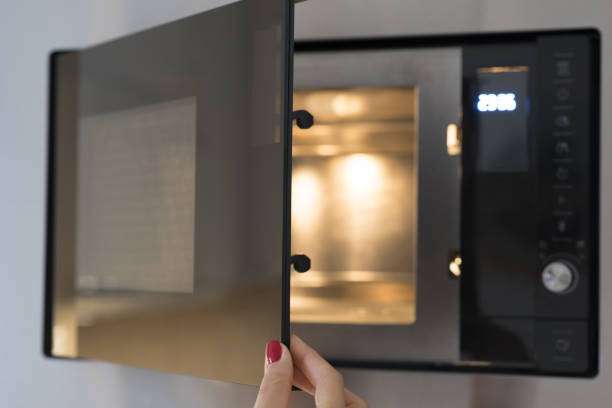
Alternative disinfection methods
While breast pumps are convenient for microwave sterilization, there are other options available:
1. Steam sterilizer
Professional baby bottle steamer with controllable temperature, supports batch sterilization
2. Sterilize by boiling
Boilable parts should be boiled in boiling water for 3–5 minutes. Suitable for glass or heat-resistant plastics. Take care to avoid burns.
3. Soaking in disinfectant solution
Soak suitable silicone parts that cannot be sterilized at high temperatures in baby-specific disinfectant solution according to the instructions.
Disinfection methods can be flexibly chosen based on individual usage frequency and time schedule.
Tips to improve disinfection efficiency
Establish a regular daily sterilization schedule to prevent milk buildup or bacterial growth. Store clean accessories separately in clean boxes or bags. Rinse quickly before microwave sterilization to remove residual milk and improve steam sterilization. Rotate spare accessories appropriately to maintain a complete spare parts set for continuous breastfeeding. Keep a record of sterilization frequency. Some high-temperature plastic accessories have a limited lifespan; extending their service life is important.
microwave oven sterilization techniques using a breast pump that I’ve summarized from my long-term practice.
Frequently Asked Questions (FAQ)
Can all brands of breast pumps be microwaved?
This is not the case; you must check the instruction manual. Items containing electronic components or made of heat-sensitive plastics should not be microwaved.
Does microwave sterilization shorten the lifespan of a breast pump?
If done correctly, it generally won’t happen. Just pay attention to the time, heat, and materials.
Can microwave sterilization solve all the problems at once?
It can only kill bacteria; milk stains still need to be washed. Cleaning before sterilization is key.
Which is better, microwave sterilization or a steam sterilizer?
Steam cookers are more suitable for large-scale or high-frequency use, while microwaves are suitable for daily quick sterilization.
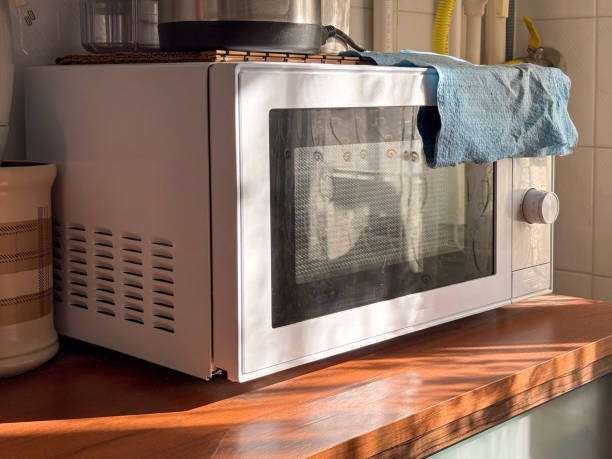
Summarize
Using a microwave oven to sterilize a breast pump correctly can make daily breastfeeding safer and more efficient, but the following conditions must be met:
Material suitable for microwave operation; proper cleaning and inspection are required.
Mastering these methods will make disinfection easy and quick, eliminating it as a tedious burden.
If you want to quickly improve breast pumping efficiency while ensuring the safety and hygiene of your equipment, consider our carefully selected safe microwave sterilization breast pump accessory set. It will help you easily sterilize your breast pump for each use, making breastfeeding safer and more convenient.