
,a breast pump immediately after giving birth?” is almost always on the day of delivery. In the delivery room, postpartum care center, and family and friends group chat, discussions about how to use a breast pump , when to start using it, and whether it will affect breast milk supply never stop.
As a mother who has gone through two postpartum periods, I also searched for answers to questions while holding my baby in the early hours of the morning, worrying that I didn’t have enough milk, that my baby wouldn’t be able to latch on properly, and that using a breast pump too early would make my nipples hurt more.
This article is designed to help you after childbirth by clearly explaining the most crucial, practical, and anxiety-reducing knowledge.
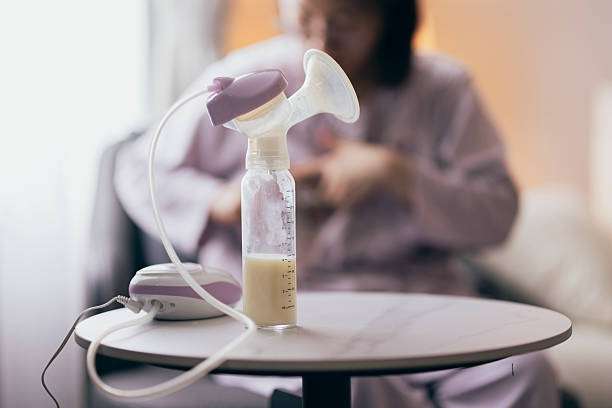
?a breast pump immediately after giving birth ?
Yes, but it depends on the situation.
Generally, mothers who have had a vaginal delivery or cesarean section can use a breast pump within 1-2 hours postpartum, provided their physical condition allows. Many hospitals also assist mothers with their first breastfeeding or expressing colostrum in the delivery room. If your baby is not yet able to suckle and you wish to establish lactation signals as soon as possible, then using a breast pump early on is perfectly feasible.
.However, not all mothers are suited to “the earlier the better.” If you are still recovering postpartum, your breasts are very engorged and painful, or you have just experienced heavy bleeding and the effects of anesthesia have not yet subsided, it is not recommended to use a breast pump immediately . In these cases, you only need to gently hand-express a few drops of colostrum for your baby.
?a breast pump immediately after childbirth ?
Many people worry that using a breast pump early will make their nipples more painful, but in fact, as long as the cup size is accurate and the pressure is set properly, early use can actually have many advantages:
1. Helps stimulate lactation signals
here;Immediately after childbirth, breast milk production is low, but the body needs “signals” to tell the mammary glands: the baby is here, it’s time to start working.
If the baby’s sucking ability is weak, a breast pump can help replace sucking and establish a stable milk supply.
2. Resolving initial breast engorgement and blocked milk ducts.
Some mothers experience rapid engorgement, with their breasts becoming hard and swollen. In this case, direct breastfeeding can be more painful for the baby.
Using a breast pump to gently express a small amount of milk can soften the breasts, making it easier for the baby to latch on.
3. Provide colostrum to babies who are not yet able to suckle.
Premature babies and babies with low blood sugar may not be able to suckle at first.
The expressed colostrum has a high nutritional concentration and can be fed to the baby in a timely manner.
?In what situations is it not recommended to use a breast pump too early ?
Not all situations are suitable for immediate power-on. It is recommended to postpone in the following situations:
1. Postpartum hemorrhage and physical weakness
first,Recovery is the priority; rest first and don’t rush to use it.
2. Obvious nipple wounds and unbearable pain
Forcing it at this point will only worsen the skin irritation. It is recommended to first demonstrate the correct latching technique or use a gentler method.
well,3. The baby can suckle well and breastfeeding is successful.
;If your baby’s oral cavity is well-developed and the suction is stable, you can let your baby take the lead. You only need to use
the breast pump as an aid when your baby experiences occasional bloating or pain ; there’s no need to use it frequently from the beginning.
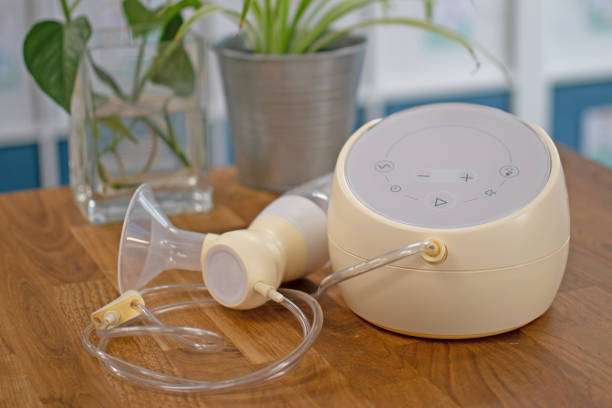
?Is the best time to start using a breast pump right after giving birth ?
Most mothers experience the best results when using it at the following three times:
1. Within 6–24 hours postpartum (colostrum stage)
Suitable for: Babies who can’t latch on or who can’t express colostrum.
Frequency: Every 3 hours, less than 10 minutes.
2. Days 2–4 postpartum (milk engorgement period)
pain whenSuitable for: engorgement and breast pain, when the baby can’t finish nursing.
Frequency: Use as needed, with gentle pressure.
3. Establishing a regular milk supply (after 5 days postpartum)
Suitable for: Those who need to empty their breasts regularly or for storing breast milk.
Frequency: Every 3 hours, 15–20 minutes each time.
?a breast pump correctly after giving birth ?
To make the user experience more comfortable and efficient, you can follow these suggestions:
1. Choose the correct size
Both oversized and undersized nursing bras can cause pain. Postpartum nipples become engorged and enlarged, so it’s recommended to remeasure your size and avoid using bras from your pregnancy.
2. Gentle Mode Start
New mothers often have sensitive breasts after childbirth, so the stimulation mode of a breast pump is better than strong suction. Increase the pump level slightly after the milk starts flowing.
3. No need to aim for a complete emptying in one go.
In the early stages, the milk supply is naturally low, so there’s no need to overdo it in order to “squeeze out more.” Simply pump as needed.
Alternate between breastfeeding and breast pumping.
If your baby has good sucking ability, you can practice direct feeding while using a breast pump to adjust the milk production rhythm.
When I gave birth to my first baby, I was so anxious because my baby couldn’t latch on properly that I wanted to use a breast pump immediately. After the nurse helped me set it up, I noticed that at first, not a gush of milk came out, only a few drops. But those few drops of colostrum made me feel incredibly reassured, like I could finally do something for my child.
With my second pregnancy, I was much more relaxed. My baby latched on well, and I didn’t start using a breast pump to relieve the engorgement until the second day when my milk came in noticeably. After comparing the two, I realized that what’s truly important isn’t “when to use it,” but rather adjusting the frequency according to your own body and your baby’s needs.
Frequently Asked Questions (FAQ)
Will using
a breast pump early cause nipple inversion or pain? No, as long as the cup size is appropriate and the pressure setting is correct, it can actually protect the nipples.
2. Will
Does a breast pump interfere with a baby’s direct breastfeeding? No. The principles of breast pumps and a baby’s sucking are different, and it will not confuse the baby.
3. If milk supply is low, should I use a breast pump frequently?
No. Regular, gentle, on-demand stimulation is more effective.
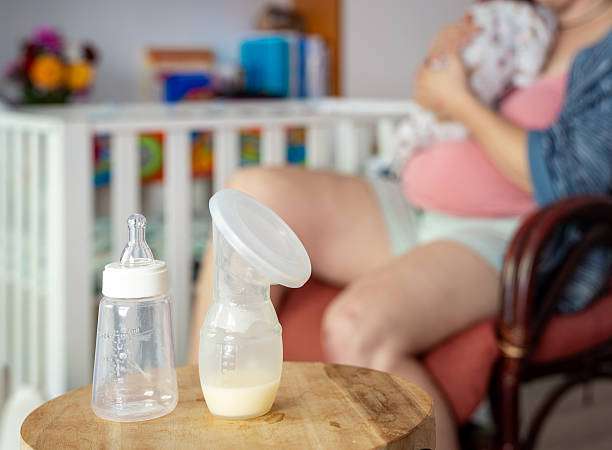
Summarize:
whether or not you can use a breast pump postpartum.
If you need to stimulate lactation, your baby isn’t latching well, or you’re experiencing significant engorgement, then feel free to use it.
If you’re tired, in pain, and your baby is latching smoothly, then going slower is perfectly fine.
The key is to make yourself comfortable, ensure your baby is well-fed, and relieve your anxiety.
breast pump suitable for sensitive postpartum breasts, check out our curated selection for new mothers. Click to see which breast pump is right for you, making postpartum breastfeeding easier and more comfortable.