
Using a breast pump, many mothers overlook a crucial step—proper placement of the breast shield. Even with the most advanced, if the breast shield doesn’t fit properly or is misaligned, it can lead to inefficient pumping, nipple discomfort, and even uneven milk emptying.
When I first started using a breast pump, I often pumped for a long time, but hardly any milk came out, and I also experienced nipple pain. Later, I discovered that as long as I mastered the correct placement of the breast shield and used the appropriate suction settings on the breast pump, the whole pumping process became much easier.
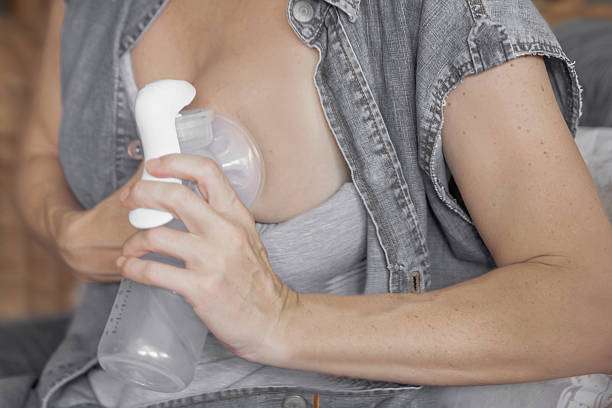
The importance of breast shields
A breast bra acts as a “bridge” between the breasts, and its correct placement directly affects the following aspects:
If the suction is not stable
and the breast shield does not fit well, air will leak out, preventing the breast pump from creating a stable negative pressure, and the milk supply will naturally decrease.
Nipple comfort:
If the nipple is off-center from the breast pump, it can easily rub against the breast pump tube wall, causing pain and redness.
Uneven milk emptying and
Improper bra positioning can lead to incomplete breast coverage and uneven milk emptying, which may cause milk duct blockage in the long term.
breast
pump can maximize its effectiveness, increasing the amount of milk expressed each time while reducing pumping time.
Principles of Proper Placement of Breast Pumps
Whether using an electric or manual one, the following principles should be followed when placing the breast pump:
Centered nipple: The nipple should be located in the center of the breast shield to avoid touching the tube wall.
The areola is slightly drawn into the bra cup: this helps the breast pump to express milk evenly.
Tight fit at the edges: The breast bra fits snugly against the breast skin to prevent air leakage.
Natural angle: The angle between the nursing bra and the breast should be natural so that the weight of the bottle will not cause it to tilt or turn outward.
I once tried pressing the nursing bra very tightly to “prevent air leakage,” but it made my nipples very painful and actually reduced my milk supply. Later, I adjusted the angle and centered my nipples, and the effect improved immediately, which proves the importance of proper placement.
Detailed steps for placing a breast shield
Step 1: Prepare the breasts
Using it keeps your breast skin dry to avoid sweat or lotion affecting the fit of the breast pump.
Step 2: Initial alignment with the nipple
Align the center of the breast shield with the nipple and gently press it against the breast. The nipple should be centered, avoiding any deviation to one side or contact with the breast pump tubing.
Step 3: Start the on low speed
First, use the lowest suction setting to allow the nipple and areola to naturally draw into the shield, ensuring a good fit. This step also helps relax the mammary glands, facilitating milk flow.
Step 4: Check the fit
The edge of the nursing bra should fit snugly against the breast skin without any air leakage, and the nipple should move back and forth in a straight line. If you notice any air leakage, you can gently adjust the edge of the bra or change your body position.
Step 5: Switch to the appropriate pumping setting.
After confirming a proper fit, gradually adjust the suction power to a suitable level and begin pumping the breast.
Step 6: Procedures after breast pumping
After pumping, reduce the suction level and gently remove the breast shield to avoid injuring the nipples.
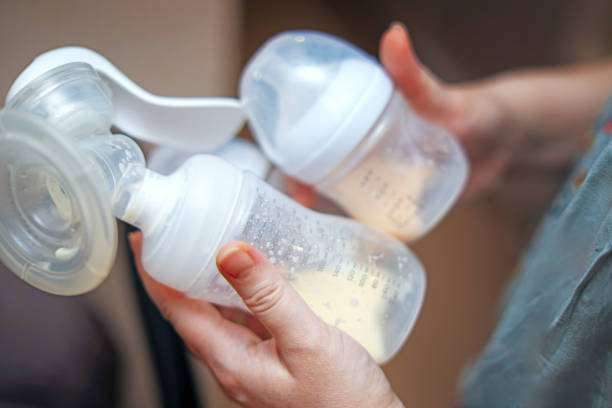
Determine if the breast shield is placed correctly
After correctly positioning the breast shield, you will experience the following sensations:
The breast pump provides stable suction and ensures a smooth milk flow.
No nipple friction or pain
Milk production increased and became more uniform
After breastfeeding, the breasts are soft and without lumps.
If the following situations occur, it indicates that the breast shield may be improperly placed:
The nipple is deviated to one side or touches the breast pump tube wall.
The breast shield leaks air at the edges, and the suction power fluctuates.
Localized pain or breast lump
Milk production has decreased significantly.
Common mistakes in placing breast shields
If the cup size is not right
, the cup will compress the nipple; if it is too large, the suction will not be concentrated, affecting the efficiency of the breast pump.
a tighter nursing bra
will prevent air leakage, resulting in nipple pain and decreased milk supply.
An unnatural angle
, bottle weight, or improper posture can cause the breast shield to tilt, reducing the efficiency of the breast pump.
Using a breast pump on wet skin can cause the
pump to slip easily, resulting in unstable suction and reduced milk flow.
Tips for a better user experience
Use a mirror to check: ensure the nipple is centered and the breast shield fits well.
Stay relaxed: Tension can cause breast tissue to contract, affecting milk flow.
Adjust your posture: Sit up straight or lean forward slightly to help the bra fit your breasts better.
Regularly check: an aging or deformed breast pump can affect the fit and breast pump efficiency.
Segmented pumping: Pump for 15–20 minutes each time, with short breaks in between to allow the breasts to relax before continuing, to improve the efficiency of the breast pump.
Precautions for wearing breast bras
Different breast pumps may have different cup sizes.
When purchasing, pay attention to whether the cup size is suitable for your breasts.
With adjustable electric suction
After correctly positioning the breast pump, adjust the suction power to ensure both comfort and improved breast pump efficiency.
Pay attention to the rhythm
and operate manually. If the breast shield does not fit well, it will cause unstable suction and affect the milk supply.
Keep it clean.
Clean the breast shield and tubing before and after each use to avoid blockages or milk residue affecting the fit.

Conclusion
Proper placement of the breast pump is key to making the breast pump work efficiently. As long as the nipple is centered, the areola is properly inserted into the cup, the edges fit snugly, and the angle is natural, you can make the pumping process comfortable and smooth and produce a sufficient amount of milk.
When I first started learning, I made a lot of mistakes, but after mastering the technique of placing, pumping became time-saving and easy every time.
Want to make each breast pumping session easier and more efficient? Click to view our product section and choose the most suitable breast pump for you, making your breast pumping experience more comfortable and convenient!