
Postpartum mothers often encounter a problem when using a breast pump: blocked milk ducts. Once the milk ducts are blocked, not only does it cause breast engorgement and pain, but it can also affect breast milk supply. Many mothers ask, “Can a breast pump relieve blocked milk ducts?” and “What’s the safest way to use a breast pump after experiencing blocked milk ducts?”
As a mother who has experienced blocked milk ducts twice, I know firsthand the pain of breasts so hard they feel like rocks and can’t be pressed down with my hand. I also deeply appreciate the value of a breast pump during this stage. This article will share my personal experience to help you understand breast pumps and how to manage blocked milk ducts, allowing you to scientifically and effectively relieve breast engorgement.
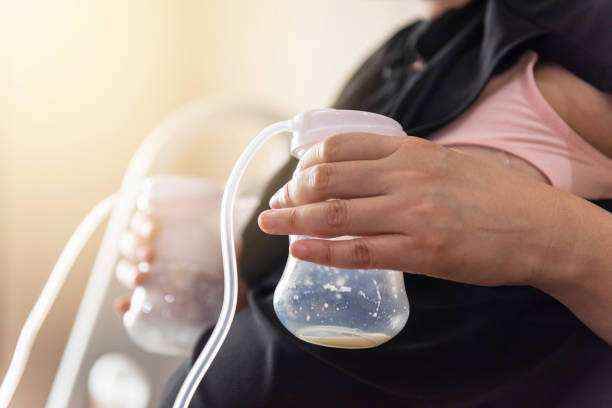
What are blocked milk ducts, and why do they happen?
Blocked milk ducts, also known as milk duct obstruction, occur when milk cannot flow smoothly from the milk ducts. Common symptoms include:
A lump appeared in a certain area of the breast.
Localized redness and swelling of the breast, tenderness upon touch
Difficult milk flow, sometimes accompanied by mild fever
There are many causes of blocked milk ducts, among which the common ones include:
Irregular breastfeeding or excessively long intervals
Improper sucking posture of baby
My breast milk supply has suddenly increased, but my baby isn’t consuming enough of it.
Tight clothing or pressure on the breasts
At this time, a breast pump can be a very effective auxiliary tool to help empty the breast milk and relieve blockage.
a breast pump in treating blocked milk ducts
1. Promotes milk flow
When milk ducts are blocked, milk stagnates in a localized area of the breast, causing engorgement and pain. Using a breast pump can help:
Gently stimulate the mammary glands
Provides continuous suction, allowing milk to flow to the nipple.
Relieve localized hard lumps and pressure.
2. Protect the nipples
In the early stages of blocked milk ducts, forcibly expressing milk by hand can easily cause nipple cracking. A breast pump can replace hand expression, avoiding nipple injury while ensuring milk flow.
3. Helps restore stable breast milk supply
If blocked milk ducts are not treated promptly, the stagnant milk will affect the milk production signals, leading to a decrease in breast milk supply. Regular use of a breast pump can stimulate milk duct emptying and help maintain breast milk supply.
Steps to handle blocked milk ducts: A practical guide to breast pumps
Step 1: Apply heat or massage
,Using a breast pump , you can apply a warm towel for 5–10 minutes or gently massage the area of the breast from the mammary gland towards the nipple. Warm compresses can soften breast lumps, promote milk flow, and reduce breast pressure.
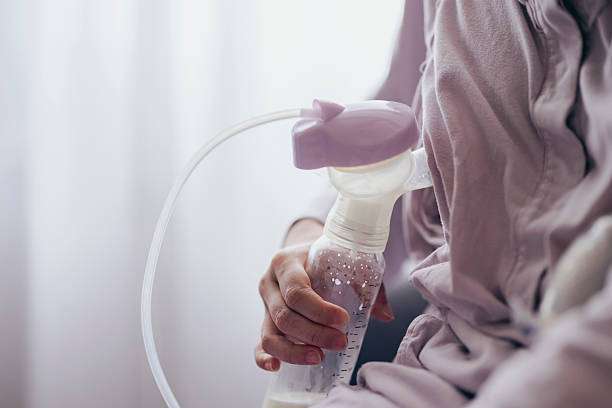
Step 2: Select the appropriate mode and cup size.
Breasts are more sensitive when there is a blocked milk duct:
Breast pump mode: It is recommended to start with the gentle mode.
Bra cup size: Make sure to choose the right size to avoid excessive compression of the breasts.
Step 3: Empty the partition
If the blocked milk ducts are concentrated in a certain area, you can try:
First, apply suction to the hardened area separately for 3–5 minutes.
Then perform routine breast pumping on the entire breast.
Each breast pumping session should be limited to 10–15 minutes to avoid overstimulation.
Step 4: Combine with breastfeeding
,a breast pump , the baby can suckle directly. If the baby can latch on, it can further empty the milk ducts and help unclog blocked milk ducts.
.My first instance of blocked milk ducts occurred on the fourth day postpartum. My right breast was as hard as a rock, accompanied by a slight fever. At first, I tried to express the milk by hand, but my nipple was incredibly painful. Later, the nurse suggested I use a breast pump .
I first applied a hot compress for 10 minutes.
Then use the gentle pumping mode to focus on the hardened areas.
After about 5 minutes, the lump softened and the milk flowed out smoothly.
—it’sAfter several uses, not only did the pain subside, but my breasts also regained their softness, and my milk supply returned to normal. Since then, whenever I experience blocked milk ducts or breast engorgement, I use a breast pump first —it’s both safe and effective.
Precautions for blocked milk ducts
Do not use the breast pump continuously for extended periods
10–15 minutes at a time is sufficient, as overstimulation may injure the nipples.
Keep your breasts clean.
Redness and swelling can easily occur in areas with blocked milk ducts, so pay attention to cleaning to avoid infection.
If blocked milk ducts are accompanied by high fever, large areas of redness and swelling in the breast, or worsening pain, it may be mastitis, requiring medical guidance.
Blocked milk
Ducts are often related to irregular breastfeeding. Regular breastfeeding or using a breast pump to empty the breast is crucial.
Tips for preventing blocked milk ducts
Try to breastfeed regularly in the first few weeks postpartum.
Pay attention to the baby’s latch, ensuring the nipple is aligned with the areola.
Loose-fitting clothing that does not compress the breasts.
When experiencing breast tenderness, apply a warm compress first, then use a breast pump.
Maintain adequate hydration and nutrient intake.

Summarize
A breast pump is closely related to managing blocked milk ducts and is an important tool for relieving breast engorgement, protecting the nipples, and maintaining breast milk supply. The key is
Early detection of blocked milk ducts
Use the breast pump correctly and gently drain the breast in sections.
Combining breastfeeding with warm compresses
Seek medical attention promptly if you experience severe symptoms.
With the right methods, blocked milk ducts are no longer a nightmare for postpartum breastfeeding.
breast pump suitable for blocked milk ducts and sensitive breasts, check out our curated selection for new mothers. Click to see which breast pump is right for you, making postpartum breastfeeding smoother and more comfortable.