
For many new mothers, expressing breast milk using a breast pump is just the first step; proper storage is the real key. Improper storage can lead to nutrient loss and may even affect the baby’s health. Many mothers know they should refrigerate or freeze, but they often have questions about choosing the right storage container, storage time, and thawing methods.
.I also encountered some problems when I first started using a breast pump . I remember one time I was in a hurry to leave and just casually put the breast milk I had just expressed on the refrigerator door. When I got home, I found that the temperature was not stable enough, and I had to throw away the whole bag of breast milk. That experience made me realize that properly storing breast milk is really an art.

?How to quickly process breast milk expressed from a breast pump ?
milk isThe way breast milk expressed using a breast pump is very important:
,Check the temperature and environment of the breast milk
Fresh breast milk itself has antibacterial properties, but the container must be clean. Especially after using a breast pump , keeping your hands and equipment clean is the first step in ensuring the safety of your breast milk.
Choose a suitable container
We recommend using breast milk storage bags.
Or use BPA-free glass baby bottles/storage bottles.
Remember not to use disposable mineral water bottles or takeout containers, as these containers cannot be guaranteed to withstand high temperatures and may release harmful substances.
future butLabel
the breast milk bags with the date, time, and volume. This not only makes it easier to manage the storage time of breast milk in the future, but also conforms to the “first-in, first-out” principle.
milk, andI use a breast pump to express milk, I always put a label on it, which makes it very convenient to use it again later.
Should breast milk be refrigerated or frozen?
Breast milk expressed using a breast pump can be refrigerated or frozen, depending on when it will be used.
Refrigerated breast milk (recommended for short-term storage)
If you plan to use breast milk within 72 hours, refrigeration is the best option.
Refrigeration tips:
Place it at the very back of the refrigerator, not on the door.
Keep the temperature below 4°C
Avoid frequently opening and closing the refrigerator door
Refrigeration can preserve the active ingredients and immune factors in breast milk to the greatest extent, allowing babies to receive complete nutrition.
Frozen breast milk (suitable for long-term storage)
If it cannot be used within a few days, freezing is recommended.
Standard freezer compartment (fridge and refrigerator combined): can store food for 3 months.
life isIndependent freezer: Optimal shelf life 6 months, up to 12 months (quality may decline).
Freezing tips:
Do not fill the breast milk bags too full, as they will expand after freezing.
Frozen flat to save space
Breast milk may separate after freezing; this is normal.
Breast milk storage schedule
| Storage method | Storage time |
| Room temperature (within 25°C) | 4 hours |
| Refrigerate (below 4°C) | 3 days (72 hours) |
| Freezer (regular refrigerator) | 3 months |
| Independent freezer | 6 months is ideal (maximum 12 months) |
| Thawed but unheated breast milk | Use within 24 hours of refrigeration. |
| Heated breast milk | Drink within 2 hours; any unfinished drink must be discarded. |
.This chart can be printed and pasted on the refrigerator for easy reference each time breast milk is expressed using the breast pump .
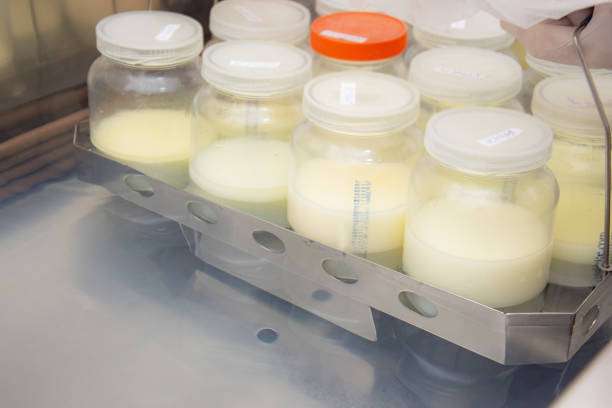
Breast milk storage techniques in different scenarios
Working mom
a breast pump while at work can be stored in a portable cooler bag with ice packs. Once you get home, immediately refrigerate or freeze it and label it.
I personally bring home my “breast milk haul” every day after work, protecting it with ice packs—more protective than my wallet (laughs).
Traveling or going out
Bring an insulated bag, ice packs, and breast milk storage bags. If the journey is longer than 6 hours, it is recommended to use frozen breast milk and ensure you have enough ice packs to keep it warm.
How to properly thaw breast milk?
The thawing method directly affects nutrient preservation; please avoid microwave heating. Correct methods include:
Refrigerated slow thaw:
Put frozen breast milk in the refrigerator the night before and use it the next day. It is gentle and safe.
Thawing with running water or warm water
Place the breast milk bag in running warm water at 30–40°C.
Or heat in water
Remember not to use boiling water, as high temperatures will destroy antibodies.
Prohibited methods
Microwave heating
Directly soaking in boiling water from an electric water heater
Refreezing
Store in the refrigerator again after heating.
milk.I use a breast pump to express milk, I often use warm water to thaw the breast milk, which I find to be a safe and quick process.
How can you tell if breast milk has gone bad?
Breast milk expressed using a breast pump should not be used if any of the following conditions occur:
It has a rancid or unpleasant odor.
Abnormal color, excessive layering
Bag damaged or leaking
Save time exceeds table range
Friendly reminder: Frozen breast milk may have a slight soapy smell, which is due to the action of lipase and is a normal phenomenon, so there is no need to worry.
:Summarize :
Use clean containers; avoid disposable bottles or plastic takeout boxes.
Each time you label something, record the date, time, and capacity.
Refrigerate for short-term use, freeze for long-term use.
Lay frozen breast milk flat; do not fill the container completely.
Avoid microwaving or defrosting at high temperatures.
Use according to the storage schedule; expired breast milk should not be given to the baby.
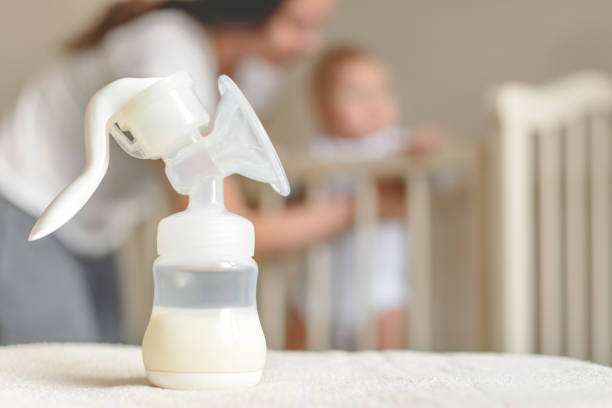
While using a breast pump is convenient, proper storage of breast milk is essential to ensure your baby doesn’t lose nutrients. Hopefully, this guide will help you manage your breast milk more easily, ensuring your baby drinks healthy and safe milk.
If you’re looking for an efficient and easy-to-clean breast pump, check out our recommendations to make your breast milk storage and pumping easier and more efficient!