
For breastfeeding mothers, a breast pump is not only an aid to daily breastfeeding but also an essential tool for maintaining milk supply, relieving breast engorgement, and making it convenient to go out. Especially double breast pumps, compared to single breast pumps, can complete the pumping task in a shorter time, making it easier and more efficient for mothers.
What is it?
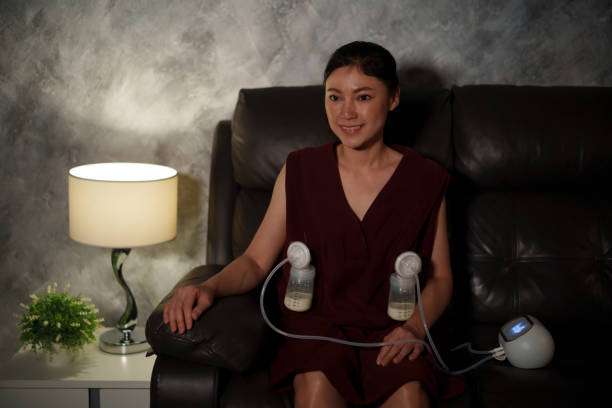
A double breast pump, as the name suggests, is an electric device that can simultaneously pump milk from both breasts. Compared
to a single breast pump, its main advantages are
Saves time: Both breasts can be emptied in one procedure.
Improved efficiency: Both breasts simultaneously stimulate prolactin secretion.
Increase milk supply: More effectively stimulates mammary glands and increases milk production.
It took me 20–25 minutes to pump from one side each time, totaling 40–50 minutes for both sides. After switching, I can complete the pumping task in just 20 minutes, which saves a lot of time and reduces fatigue in my wrists and shoulders.
Working principle
The core working principle is similar to that of a single-sided breast pump, but it achieves double the efficiency by acting on both breasts simultaneously through a dual-channel system.
1. Negative pressure suction principle
Uses a motor to generate negative pressure, drawing the nipple into the cup and gently squeezing the milk ducts to express milk.
Double-sided breast pumps typically have motors that allow independent adjustment of the suction power for each side, ensuring:
Breasts feel comfortable and painless
Smooth milk flow
Nipple not to be pulled
2. Simulate a baby’s sucking rhythm
A dual-sided breast pump typically has two modes:
Stimulation Mode (Rapid, Gentle Sucking): Simulates the initial sucking action of a baby, stimulating the lactation reflex.
Breast pumping mode (slow, long suction): Simulates the baby’s actual feeding stage, helping to fully empty the breasts.
When breastfeeding from both sides simultaneously, the body is stimulated by both breasts at the same time, resulting in a more concentrated secretion of prolactin and a more stable milk flow.
3. Simultaneous and independent modes of bilateral breast pumping
Modern dual-sided breast pumps have two modes:
Synchronous mode: The suction force is the same for both breasts, and breasts are pumped simultaneously.
Independent mode: Allows for separate adjustment of suction strength and rhythm for the left and right breasts, suitable for mothers with asymmetrical breast development or sensitive nipples.
When one side of my breast is slightly sensitive, I use the independent mode to reduce the suction power on that side, which is both comfortable and efficient.
Efficiency advantages
It is not only reflected in time but also in milk volume, comfort, and long-term lactation results.
1. Saves time
Single breast pump: approximately 15–25 minutes per side, 30–50 minutes total for both sides.
This method allows for the expression of milk from both breasts in a single procedure, taking approximately 15–25 minutes.
For busy working mothers or those who need to go out, this means saving 20–30 minutes each day.
2. Increase milk supply
Simultaneously stimulating both breasts leads to more prolactin secretion.
It helps increase the efficiency of mammary gland emptying, thereby increasing the overall milk supply.
breast pump, my milk supply increased significantly, and it became easier to establish a stable milk supply.
3. Reduce physical burden
A single breast pump requires manual support or frequent switching, which can easily lead to shoulder, neck, and wrist fatigue.
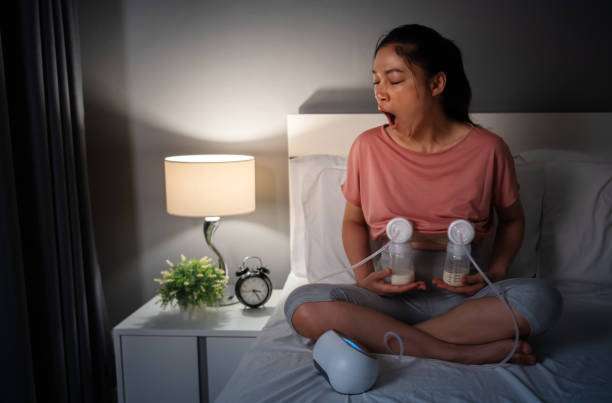
Allows for simultaneous expression, giving your hands more freedom.
Some wearable double breast pumps even allow you to pump breast milk while doing housework.
4. More scientific breast stimulation
Simultaneous breastfeeding from both sides ensures balanced stimulation of the mammary glands.
Avoid excessive blood flow to one breast or blocked milk ducts.
More beneficial for long-term breastfeeding and maintaining milk supply
Usage Tips
Choose the right bra cup
The nipple is fully inserted into the center of the bra cup.
The areola is not excessively inhaled.
An incorrect size will affect suction power and comfort.
Stimulate first, then suckle.
Stimulation mode 1–2 minutes
Switch to the breast pump mode again to ensure smooth milk flow.
Adjust suction power
The left and right breasts have different levels of sensitivity and can be adjusted independently.
The suction power should be designed to be comfortable and painless.
Cleaning and maintenance
Disassemble and clean the cup, valve, and diaphragm after each use.
Regular sterilization ensures smooth milk flow and prevents bacterial growth.
I first used a double breast pump; the cup size was too small, and my nipples felt a little uncomfortable. After switching to a properly fitting cup, it became not only more comfortable but also much more efficient, and my milk supply increased.
Precautions
Do not over-pump: 15–25 minutes at a time is sufficient.
For cracked or sensitive nipples, you can first apply a nipple cream or reduce suction.
Power supply and battery life: Ensure the electric breast pump has sufficient power to avoid interruption during operation.
Regularly inspect components: Aging of the cup, valve, and diaphragm can affect suction power.

Summarize
The dual-sided breast pump uses dual-channel negative pressure suction and simulates a baby’s sucking rhythm to achieve a more efficient, comfortable, and scientific breast pumping experience.
For new mothers or busy working mothers, it not only saves time but also increases milk supply and comfort, making breastfeeding easier.
Looking to choose the perfect double breast pump for you? Refer to our double breast pump recommendation guide to quickly find an efficient and comfortable option, making breastfeeding more enjoyable.