
Breast pumps have become an “essential tool” for modern breastfeeding mothers. Whether it’s relieving engorgement, storing breast milk, or maintaining milk supply while at work or out, breast pumps play an irreplaceable role.
However, many mothers encounter problems when using a breast pump: milk cannot be expressed, nipples hurt, suction is unstable… Most of these problems are related to the core components of the breast pump—the cup, valve, and diaphragm.
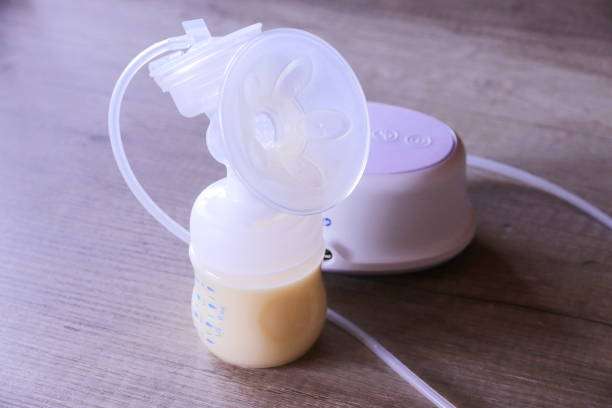
Bra cups: The first step to comfortable breast pumping
1. The function of bra cups
The bra cup is the part that directly contacts the nipple, and its main function is
The nipple is drawn in, creating a sealed negative pressure.
Simulates a baby’s sucking motion to stimulate milk flow.
Provides a comfortable breast pumping experience and prevents nipple injury.
I first used a breast pump; the cups were too small, and my nipples turned white from being sucked so much that I almost didn’t dare continue. Later, when I switched to a proper size, I immediately felt much more relaxed, and it was easier to express milk.
2. Bra cup size selection
Bra cup size directly affects breastfeeding effectiveness and comfort.
Key selection points:
The nipple should be able to fully penetrate the center of the bra cup.
The areola is not pulled in too much
After the nipple is inserted, there are approximately 2–3 mm of space remaining.
The cup diameter should be appropriate.
Too small → Nipple is compressed and painful
Too big → Unfocused suction, less milk output
Shape and Material
Common materials: food-grade silicone or plastic
Soft edges, conforming to the contours of the breast for greater comfort
3. Tips for using bra cups
Applying a warm compress to the breasts or gently massaging them before use can improve milk flow efficiency.
For first-time users, it is recommended to use low suction power and gradually adapt.
Bilateral breast pumping can improve efficiency, but make sure each cup size is correct.
Before each pumping session, I would apply a hot towel for 2–3 minutes, and the milk flowed out twice as fast as if I used it directly.
Valves: The key to controlling milk flow and suction
1. The function of valves
The valve is a key component in a breast pump that controls milk flow; it is located between the breast cup and the bottle. Its main function is
Controlling the unidirectional flow of breast milk into the bottle
Preventing milk from flowing back into the pump body
The membrane generates negative pressure to complete the milk expression process.
If the valve malfunctions, such as through aging, blockage, or being installed backwards, the breast pump’s suction will decrease, or it may even fail to pump milk. I once encountered a situation where the valve diaphragm was installed backwards, resulting in the breast pump making a “gurgling” sound but barely pumping out any milk. I initially thought the machine was broken, but after reversing it, it immediately returned to normal.

2. Valve Selection and Use
Material: Generally made of soft, food-grade silicone, heat-resistant, and easy to clean.
Structure: One-way valves are the most common, ensuring that milk flows only into the bottle.
Consumables: Valves are considered wear parts and need to be replaced every 1-3 months.
3. Cleaning and Maintenance Techniques
After each pumping session, remove the valve and rinse thoroughly.
Check the valve diaphragm for cracks or deformation.
Regular sterilization is necessary to prevent milk residue buildup from affecting suction power.
Proper valve maintenance can stabilize breast pump suction and extend equipment life.
Diaphragm: The core of suction and rhythm
1. The function of the diaphragm
Diaphragms are typically used in conjunction with valves, and their main function is
Controlling the formation of negative pressure in the pump body
Simulates a baby’s sucking rhythm (two stages: stimulation and sucking).
Ensure a smooth and comfortable breast pumping process
If the diaphragm ages or breaks, it can cause unstable suction and reduce the effectiveness of breast pumping. After I changed the diaphragm, I felt that the milk flowed more smoothly, and my nipples no longer hurt from being pulled.
2. Diaphragm Selection and Replacement
Material: Soft silicone or latex, food-grade safe
Thickness and elasticity directly affect the rhythm of breastfeeding.
Replacement cycle: It is recommended to replace every 1–3 months, or immediately if cracks or hardening occur.
3. Usage and Maintenance Techniques
During installation, ensure that the diaphragm fits snugly against the valve.
Wash gently; do not fold or scratch with sharp objects.
Disinfection can be achieved using steam sterilization or boiling, but prolonged high temperatures should be avoided.
The condition of the diaphragm directly determines the comfort and efficiency of the breast pump, making it the most easily overlooked yet extremely crucial component.
When I first used it, my nipples were very sore, which I later discovered was because the bra cups were too small.
Valve aging can cause a decrease in suction power; replacing it can double the efficiency.
The aging of the diaphragm caused difficulty in breast pumping; after replacement, the comfort level improved significantly.
These tips tell us that the effectiveness of a breast pump depends not only on the machine itself but also on whether the core components are compatible and in good condition.
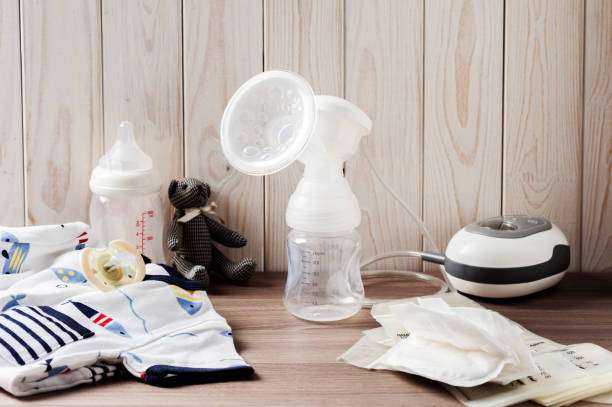
Summarize:
A breast pump—the cup, valve, and diaphragm—each have their own function: the cup conforms to the breast, the valve controls the milk flow, and the diaphragm ensures suction and rhythm.
Choosing the right parts, using them properly, and cleaning and replacing them regularly will allow the breast pump to perform at its best, making breastfeeding mothers feel relaxed and comfortable.
breast pump for you? Please refer to our breast pump selection guide to find the one that best suits your needs, making breastfeeding more efficient and easier.