
For new mothers, a breast pump is a convenient and practical parenting tool, but some problems are inevitable during use, the most common being milk leakage. Leaking not only wastes breast milk but can also affect the breastfeeding experience and the mother’s psychological state.
This article will analyze in detail the reasons for breast pump leakage and provide practical solutions, while also sharing some personal experiences to help mothers solve this problem smoothly.

Common causes of milk leakage
The causes of milk leakage are often related to equipment, operating methods, and the individual’s physical condition. The main causes include:
,Many mothers fail to properly check the connection and sealing ring when using a
breast pump , resulting in insufficient vacuum and easy leakage of breast milk from the connection. In my first experience using one, I panicked because I didn’t install the sealing ring properly, and breast milk spilled all over the floor.
SuctionToo strong or too weak
suction can cause the milk to spray out due to overly strong stimulation of the mammary glands around the nipple. Too weak suction can prevent the milk from being expressed, which can create a gap between the breast pump and the breast, leading to leakage.
as oneImproper use of
A breast pump, such as not fitting the breasts completely against the bra or having the breast pump cup at the wrong angle to the nipple, can also cause milk leakage. I tried different positions myself to find the most comfortable angle that prevents leakage.
milk
production, the milk flow is fast, and the rate of milk expression cannot keep up with the milk production, making it easy for milk to leak from the edges. In this case, you can consider hand-expressing while the baby is nursing to prevent waste.
condition.the breasts are not in a stable condition,
such as after feeding or expressing milk, and the mammary glands have not fully relaxed, using a breast pump can easily cause milk leakage.
Solutions for leaking milk
To address the above reasons, the following methods can be used to reduce or avoid milk leakage:
1. Check the equipment seal.
Ensure all connections on the breast pump are properly sealed, especially the gaskets and tubing. Replace any worn or cracked gaskets immediately. In my experience, slightly tightening the connections by hand before each use can significantly reduce milk leakage.
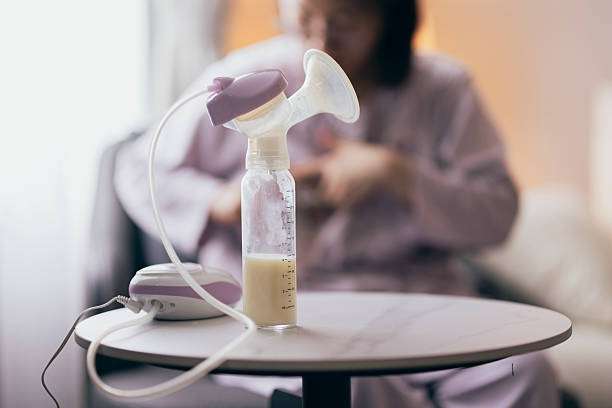
2. Adjust suction power and mode
Modernmodern breast pumps offer multiple suction levels and massage modes. For new mothers, it’s recommended to start with a low massage mode to stimulate the milk ducts, then gradually increase the suction power. Proper suction adjustment not only provides comfort but also helps prevent milk leakage.
3. Find a suitable posture
naturally soThe best posture is to keep your back straight and let your breasts tilt forward naturally, so that your nipples are centered and aligned with the center of the breast pump cup. I’ve found that sitting in a chair with a backrest and leaning slightly forward works best and reduces milk leakage.
4. Use breast pads or nursing pads.
Applying nursing pads around the breast can effectively absorb small amounts of spilled milk, preventing clothes or chairs from getting wet. Especially when out and about, nursing pads can prevent embarrassment and make cleaning easier.
5. Squeeze by hand while sucking.
.For mothers with a high milk production, gently massaging the breasts while pumping or expressing milk by hand can help maintain smooth milk flow and reduce leakage. In my experience, massaging the breasts helps milk flow faster and reduces the likelihood of leakage from the breast pump .
6. Regular cleaning and maintenance
,of a breast pump , affecting the vacuum effect and leading to leakage. It is recommended to thoroughly clean the pump after each use and regularly check for wear and tear.
Tips
Apply a warm compress beforehand: Apply a warm towel to the breasts for 5 minutes before pumping to help the mammary glands expand and make it easier for milk to flow out.
Maintain a comfortable state of mind: tension or anxiety can affect milk production.
Pumping in batches: If you have a large milk supply, you can pump in batches, switching to the other side after each pumping session to reduce leakage.
Choose the right cup size: cups that are too small or too large will affect the fit and cause milk leakage.
.As a new mom who has used a breast pump many times, I can relate. When I first started using it, I often experienced leaks because the connection wasn’t tightened properly, which made me anxious and helpless. Later, I summarized a few tips: check the seal before use, choose a comfortable position, use moderate suction, and express milk by hand when necessary. Gradually, the leaking problem improved significantly, and I gained a deeper understanding of the convenience of breast pumps .
FAQ
Q1: Will leaking milk affect the quality of breast milk?
A: No, the leaked milk is still breast milk. The key is to reduce waste and keep the area clean.
Q2: Is it easier for a manual breast pump to leak milk than an electric one?
A: Not necessarily. A manual breast pump has controllable suction, but it can still leak milk if operated improperly; an electric breast pump has balanced suction and is fast, but you still need to pay attention to sealing and your posture.
Q3: My breast pump leaks milk frequently. Do I need to replace the equipment?
A: Not necessarily. First, check if the seals, tubing, and cups are worn or improperly installed before deciding whether to replace the equipment.
Q4: How to prevent milk leakage when going out?
A: It is recommended to use nursing pads and carry spare cups or towels with you to prevent accidental milk leakage.
Q5: Will milk leakage
from a breast pump affect the amount of milk I produce? A: As long as the milk is expressed and stored promptly, leakage will not affect the overall amount of milk I produce. The key is to maintain smooth milk flow.
:Conclusion :
Breast pump leakage is common; most issues can be resolved with proper use and adjustments. To make the pumping process smoother and more comfortable, mothers can focus on checking the equipment, adjusting their posture, and controlling the suction.
If you are looking for a high-quality, well-sealed breast pump, you may want to refer to professional brands and reviews to choose a product that suits your needs and makes breastfeeding easier and more enjoyable.
Breast pump now for easier and more efficient breastfeeding!