
Many new mothers have the same questions when using a breast pump: “Does it really increase milk supply?” “If my baby isn’t sucking well, can it help me maintain my milk supply?” These are very practical questions because milk supply directly affects the baby’s nutritional intake and the mother’s mental state.
After giving birth, my milk supply was initially unstable. Every time I used a breast pump, I would anxiously watch the amount of milk expressed, worried that it wouldn’t be enough for my baby. Through continuous experimentation, I discovered that breast pumps can not only help stimulate milk production but also regulate milk supply to some extent, but the method is crucial.
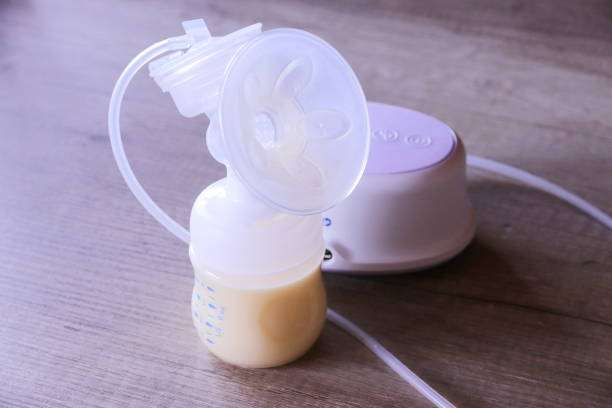
The scientific principles of increasing milk supply
1. Breast stimulation and lactation reflex
When the mammary glands are stimulated, it triggers the secretion of prolactin, a key hormone in milk production. Prolactin can mimic the action of a baby sucking on a nipple, thereby stimulating the mammary glands to secrete more milk.
2. Emptying the breasts promotes lactation.
Excessive milk accumulation in the breasts can cause the mammary glands to feel “sufficient,” thus inhibiting milk production. A breast pump can effectively empty the breasts, allowing the mammary glands to continue producing milk, creating a virtuous cycle.
3. Maintain the rhythm of milk production.
Regular use of a breast pump can help establish a milk secretion rhythm, maintaining milk supply even if the baby is not nursing temporarily, and preventing breast engorgement or a decrease in milk production.
The actual effect on milk production
Many mothers worry that if a breast pump pumps out less milk, does it mean that their milk supply is insufficient? In fact, the amount of milk that you see in the early stages of use does not completely represent the milk supply but rather the degree of adaptation of the mammary glands and the rhythm of lactation.
In the first week after my baby was born, I only pumped 30-40 ml of milk each time, but I persisted with using it 8-10 times a day. After two weeks, my milk supply increased significantly, reaching 80-100 ml per pump. I then realized that the breast pump’s function is more to stimulate the mammary glands than to immediately increase milk production.
Studies show that regular use can help mothers establish milk supply in the early postpartum period, especially for premature infants, babies with weak sucking abilities, and mothers who are temporarily unable to breastfeed directly.
How to use a breast pump scientifically to increase milk supply
1. Maintain a regular routine
a breast pump to express milk 8–12 times a day for 15–20 minutes each time. Regularity is more important than the amount expressed each time.
2. Pay attention to suction power and comfort.
Excessive suction can cause nipple pain and even damage the mammary glands, while insufficient suction cannot effectively stimulate the mammary glands. Finding a comfortable yet effective suction is key to increasing milk supply.
3. Bilateral breast pumping
Using a double breast pump can stimulate both breasts simultaneously, which is more efficient than pumping from one side and helps increase milk supply.
4. Time Selection
The first two weeks postpartum are crucial for establishing milk supply, and using a breast pump as early as possible is beneficial. Additionally, prolactin levels are higher at night, so adding an extra pumping session at night can help increase overall milk production.

The effect of breast pumps on milk production varies from person to person.
While most mothers can maintain or increase their milk supply through breast pumps, there are individual differences:
Some mothers are naturally prolific milk producers, and their milk supply remains stable even if they don’t use breast milk occasionally.
Other mothers need to use a breast pump regularly to maintain their milk supply after childbirth.
Psychological state can also affect prolactin secretion; anxiety or tension may lead to a decrease in milk supply.
I neglected using my breast pump due to being busy and stressed, which caused my milk supply to drop. My milk supply only stabilized again after I resumed regular use.
assisted milk supply management scenarios
If a baby’s sucking ability is weak or they are temporarily not breastfeeding,
A double breast pump can maintain milk production and prevent a decrease in milk supply.
Breast milk storage and weaning
can help you prepare breast milk in advance for work or outings.
Relieving breast engorgement
Using a breast pump can prevent breast pain and stimulate milk production.
When I first gave birth, I used a breast pump to express milk 10 times a day. Each time the amount was small, but the regular stimulation helped my breasts gradually adapt. Later, I found that my milk supply increased steadily, and it was easier for my baby to nurse at night.
I also learned to combine breast massage and warm compresses. Through these methods, I increased my pumping volume from 30 ml to 120 ml per pumping session, making each pumping session more efficient and comfortable.
Common Misconceptions and Precautions
Myth 1: The more you
pump, the more milk you produce. In fact, regular stimulation is more important than pumping a large amount at once.
Myth 2: A breast pump can replace breastfeeding.
Baby sucking not only stimulates milk production but also establishes a bond between mother and baby.
Precautions: Keep the breast pump clean, use appropriate suction and breastfeeding posture, and avoid nipple damage.
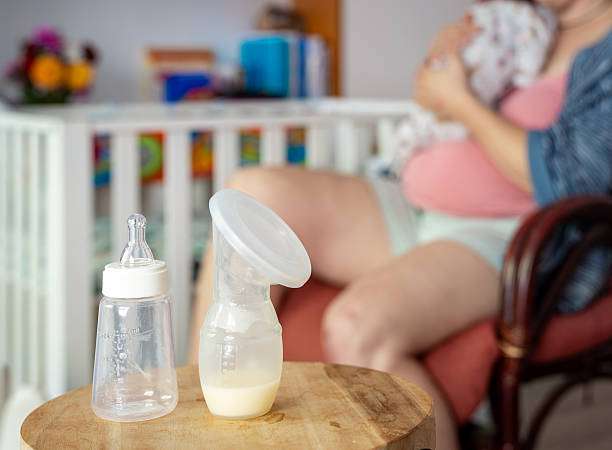
Summarize
The main effects on milk production are stimulating mammary glands, maintaining milk secretion, emptying the breasts, and establishing a regular lactation rhythm.
Regular use is more important than the amount extracted in a single session.
Comfortable and safe breast pump operation can increase milk supply.
Combining personal experience with scientific methods, new mothers can absolutely use a breast pump to assist in milk supply management.
a breast pump Scientifically, combined with the baby’s sucking and adequate rest, milk supply will steadily increase, making breastfeeding easier.
If you want a more stable milk supply, or if your baby is temporarily unable to suckle effectively, consider our recommended high-efficiency, comfortable breast pump to help you easily manage your milk supply and make breastfeeding smoother!