
Breastfeeding is crucial for a baby’s growth, and breast pumps have become a helpful tool for many mothers to maintain their milk supply. However, many mothers experience pain when using a breast pump, which is not only uncomfortable but may also affect their motivation to continue using it.
Model or size not suitable
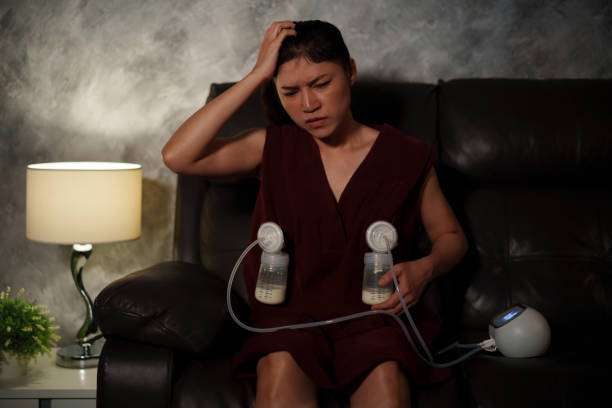
Many mothers experience nipple pain when using a breast pump, and one of the most common reasons is that the cup (flange) size is not right. If the cup is too small, the nipple will be squeezed, causing pain; if the cup is too large, it may not be able to properly attach to the areola, leading to poor milk flow and a pulling sensation.
Solution:
Measure the nipple size and select the appropriate flange.
Modern electric bras typically offer different cup sizes that can be changed to suit different nipple sizes.
Massage your breasts gently before use to help milk flow and reduce nipple friction.
Excessive or uneven suction
If the suction power is set too high, it can easily pull on the nipples, causing pain or minor skin irritation. This is especially true for new mothers, whose nipples are not yet accustomed to the suction power of the breast pump, making them more prone to discomfort.
Solution:
For first-time users, it is recommended to start with a low suction power and gradually adjust it to a comfortable suction power.
Electric breast pumps typically support multiple suction levels and rhythm modes. You can try the massage mode or the cycle suction mode to allow your nipples to adapt.
Observe the condition of the nipple skin. If redness, swelling, or broken skin appears, discontinue use and consult a professional.
Incorrect nipple posture
if the nipple is not fully inserted into the breast pump cup or if the areola is unevenly compressed. The areola should be covered, not just the tip of the nipple; otherwise, the nipple skin will be pulled.
Tip:
Make sure the center of the nipple is aligned with the center of the bra cup.
Keep your breasts clean and dry when using this product, and avoid slipping and causing friction.
Gently adjust the position of your breasts to ensure that the nipples are fully covered by the bra cups.
Cracked nipples or mastitis
If the nipple is already cracked or in the early stages of mastitis, it can cause nipple pain. Mastitis can not only cause breast swelling and pain but may also be accompanied by fever and abnormal breast milk.
Relief methods:
Stop using the breast pump and treat any cracked or inflamed nipples first.
Apply breast milk or medical nipple protectant to keep the nipples moist.
If accompanied by fever or abnormal breast milk, seek medical attention promptly.
Excessive breast pumping time
Prolonged use of a breast pump can cause continuous pressure on the nipples, leading to pain. Many new mothers want to express enough milk in one go, so they unconsciously prolong the pumping time.
suggestion:
Each breast pumping session should last approximately 15-20 minutes.
A double-sided breast pump can pump milk simultaneously, improving efficiency and reducing the time spent under pressure on one side.
Using the electric breast pump’s cycle mode allows for intermittent suction breaks, reducing nipple pressure.
Dry nipples or sensitive skin
Breast pumps can worsen discomfort when nipple skin is dry, allergic, or sensitive due to a newborn’s sucking. Dryness and pain are more likely to occur, especially in autumn and winter or in air-conditioned environments.
Relief methods:
Apply a small amount of nipple protectant or breast milk before pumping to keep the nipples moist.
Avoid using skincare products containing irritating chemical ingredients.
After breastfeeding, you can wash your nipples with warm water and gently pat them dry to keep the skin soft.
Insufficient milk production or blocked milk ducts
Insufficient milk production or partial blockage of the milk ducts can also cause pain when using a breast pump. Blocked milk ducts can cause localized lumps in the breast, which become noticeably painful under suction.
Solution:
First, gently massage the breasts to help milk flow.
Adjust the breast pump position to ensure the cups completely cover the breast and areola.
If a noticeable lump or fever develops, seek medical attention promptly to avoid mastitis.
Breasts not adequately prepared
Using a breast pump directly without first relaxing the breasts can cause pain in the nipples, as they haven’t yet adapted to the suction.
suggestion:
Gently massage the breasts before use to promote milk production.
Apply a warm compress to the breasts for 2-3 minutes to help milk flow.
When breastfeeding for the first time, you can start with a low suction level to allow the nipples to gradually adapt.
Quality or design issues
Poor quality or poorly designed breast pumps can also cause nipple pain. For example, unstable suction, overly hard cup edges, or rough materials can all increase friction.
suggestion:
Choose a well-known, certified breast pump, especially an electric breast pump, which offers more comfort with its multi-functional design.
Choose soft silicone bra cups whenever possible, as they conform to the curve of the nipple and reduce friction.
Regularly inspect breast pump parts to prevent damage or aging that could increase pain.
Improper usage habits
Some mothers experience increased nipple pain due to incorrect posture or excessive tension when using a breast pump. For example, this can be caused by forcefully pressing the breast, gripping the handle too tightly, or leaning forward excessively.
Improvement methods:
Keep your posture relaxed, and keep your shoulders, neck, and arms at ease.
You can close your eyes and take deep breaths while breastfeeding to help the milk flow smoothly.
Using an electric breast pump, place it on a stable table or stand to reduce hand strain.
Practical Relief Tips
Apply hot and cold compresses to the breasts: apply a warm compress before pumping and an ice compress after pumping to reduce nipple swelling.
Try different suction levels and rhythm modes: especially for electric breast pumps, the low-speed massage mode can relieve nipple pain.
Keep nipples moist: Apply breast milk or nipple cream after breastfeeding to reduce dryness and cracking.
Schedule breastfeeding sessions appropriately: Avoid pumping for too long or too frequently in a single session.
Use a combination of manual and electric breast pumps: use a manual pump when you’re out and about and an electric pump at home to improve efficiency while protecting your nipples.
Summarize
Painful breastfeeding is a common problem encountered by many mothers during breastfeeding, but most of the pain can be relieved by understanding the causes, choosing the right size, adjusting the suction and posture, and taking nipple protection measures.
Key recommendations:
Most nipple pain is related to bra cup size, suction power, and breast preparation.
Electric breast pumps typically offer multiple suction levels, massage modes, and bilateral pumping functions, making it easier to relieve pain.
Dry nipples, blocked milk ducts, or improper posture should also be noted. If necessary, seek guidance from a professional lactation consultant.
By scientifically adjusting the usage method, mothers can express milk efficiently in a comfortable state, ensuring smooth breastfeeding, providing babies with sufficient nutrition, and making the feeding process easier for mothers.
If the pain persists or is accompanied by cracked nipples, fever, or abnormal breast milk, seek medical attention promptly to avoid mastitis or other breast problems. Choosing a high-quality electric breast pump with the appropriate cup size and mode is an important way to protect the nipples and reduce pain.