
During breastfeeding, breast pumps have become an important tool for many mothers. Whether for storing milk, relieving breast engorgement, or returning to work, using a breast pump correctly can significantly improve efficiency and comfort. However, many people find them cumbersome to operate, ineffective, or even question whether they bought the wrong product after purchasing one.
.a breast pump, covering aspects such as preparation, operating procedures, cleaning and maintenance, and common misconceptions .
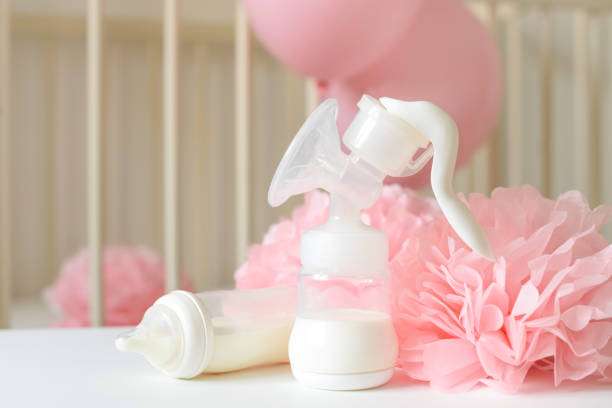
Preparations before use
A breast pump that suits your needs.
,of breast pumps on the market, including manual breast pumps , electric single-sided pumps, and electric double-sided pumps. When choosing one, consider the following:
Own lactation status
Frequency of use
Price and maintenance costs
Ease of use
.I personally use a double-sided electric breast pump . Its advantage is that it saves time, but its disadvantage is that it has a slightly higher learning curve. When using it initially, it’s best to read the instruction manual first and familiarize yourself with all the functions.
2. Keep breasts and hands clean.
Wash breasts with warm water before use.
Wash your hands
Prepare clean containers or milk storage bags.
contaminated andMaintaining hygiene can prevent breast milk from becoming contaminated, and also reduce breast irritation and the risk of infection.
3. Prepare a comfortable environment
When breastfeeding, choose a quiet, warm environment to help your body relax and improve milk production. Many mothers have found that milk flow increases significantly when accompanied by soft music or photos of their baby.
Detailed instructions on using a breast pump
1. Assemble the breast pump
Install each component correctly according to the instructions.
bottleneck,Ensure the bottle neck, silicone cover, and pump body are tightly connected.
Check that the valves and diaphragms are intact.
Incorrect assembly can lead to insufficient suction or milk leakage.
2. Adjust suction power and mode
Electric breast pumps typically have multiple suction levels.
For first-time users, it is recommended to start with the lowest setting.
Gradually find a rhythm that suits you
When I first started using it, the low suction setting helped avoid nipple discomfort. After a few adjustments, I found a comfortable rhythm, and the efficiency improved accordingly.
3. Wear a bra correctly.
Center the nipple and align it with the breast shield opening.
Ensure the areola is completely covered inside the bra opening.
Keep breasts naturally relaxed
Improper wearing can cause nipple injury or poor breast pumping.
4. Begin breast pumping
Turn on the power or begin manual operation.
Initially, each breast can last for 10-15 minutes.
Observe the flow of breast milk carefully.
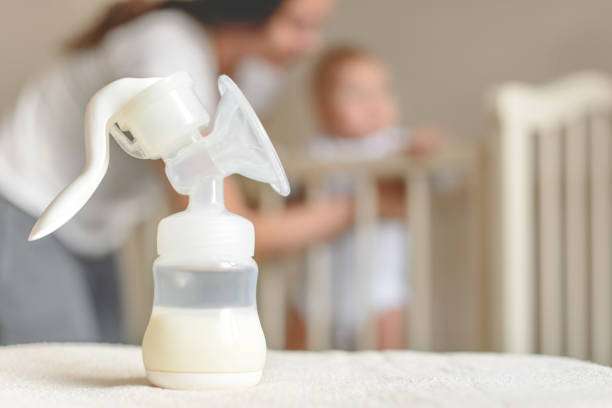
Staying relaxed and breathing evenly during breastfeeding can improve milk production efficiency. Avoid squeezing the breasts forcefully to prevent discomfort.
5. Post-pumping care
Turn off breast pump
Gently massage the breasts to help the milk flow out.
Pour the milk into a clean container or milk storage bag.
Cleaning all parts of the breast pump
Cleaning and disinfection are the most important aspects of breast pump maintenance. Neglecting this can easily lead to bacterial growth and affect the baby’s health.
Precautions for using breast pumps
Avoid overuse: You can schedule 2-3 times a day depending on your own situation and your baby’s needs. Excessive breastfeeding may cause nipple injury or blocked milk ducts.
Adjust your posture: You can sit or lie down, but it is especially important to keep your back supported comfortably.
Record milk production: Establishing a milk production record helps determine the effectiveness of the breast pump and adjust its usage time.
Nipple protection: If cracking or pain occurs, discontinue use and seek professional advice.
Breast health monitoring: If you experience swelling, pain, lumps, or fever, seek medical attention promptly to avoid mastitis.
Common Misconceptions
Myth 1: The more expensive, the better.
In fact, the right model for you is more important than the price. Comfortable operation and easy cleaning are the key factors.
Myth 2: It can completely replace breastfeeding.
Breast pumps can only assist breastfeeding. Breastfeeding not only provides nutrition but also promotes the parent-child bond.
Myth 3: Breast pumps are complicated to use and difficult to learn
initially. There is a learning curve, but once you master the correct steps, they are actually very convenient.
Myth 4: It will affect the quality of breast milk.
As long as hygiene is maintained and the operation is correct, it will not affect the quality of breast milk.
breast pump cleaning and maintenance
Clean immediately after each use
Rinse off any milk residue with warm water.
Use baby-specific cleaning agents
Regular disinfection
Sterilize with steam or by boiling.
Operate electric components according to the instruction manual.
Storage Notes
Store in a dry, well-ventilated place
Avoid direct sunlight and humid environments.
I once had breast milk that tasted abnormal because I didn’t clean it thoroughly. Since then, I have strictly followed the cleaning and disinfection process, and my experience has improved significantly.
FAQ
Can a breastQ1: Can
a breast pump be used on premature babies? A: Yes, but you need to choose the appropriate suction power and frequency according to the doctor’s guidance to ensure safety.
Q2: How often should
a breast pump be used? A: Generally, every 3-4 hours, but this can be adjusted according to your own milk production and your baby’s needs.
Q3: How long can breast milk be stored?
A: About 4 hours at room temperature, 24 hours in the refrigerator, and up to 3 months in the freezer.
suction andQ4: Will it hurt when using it?
A: There may be a slight pulling sensation at first. Pain is usually caused by improper posture or suction, and needs to be adjusted in time.
?Q5: What should I do if I get a lump in my breast after using
a breast pump ? A: You can gently massage your breast and apply a warm compress. If the discomfort persists, seek medical attention promptly to avoid mastitis.

Conclusion:
A breast pump is not a complex, high-tech device; it’s a tool to assist breastfeeding. By mastering the correct usage steps, paying attention to cleaning and maintenance, and adjusting the frequency according to your needs, you can fully realize its value.
If you are looking for a safe, easy-to-use, and easy-to-clean breast pump, you should choose a product based on your actual needs and avoid blindly following trends.
Check out our curated selection of highly rated breast pumps to help you easily achieve your breastfeeding goals and make feeding more efficient and comfortable.