
Breastfeeding is the most natural and nutritious choice for babies, and a breast pump is an essential tool for modern mothers, especially working women who can hardly guarantee their milk supply without it. But did you know that using a breast pump well is not as important as cleaning and maintaining it properly? If the parts are not cleaned properly or if they are not maintained properly over a long period of time, the pumping effect will be reduced, and it may even affect the safety of breast milk.
Today I’m going to share a complete guide to cleaning, maintaining, and troubleshooting breast pumps. These are all based on my own and my friends’ real experiences using breast pumps, helping you manage breast milk efficiently and safely.
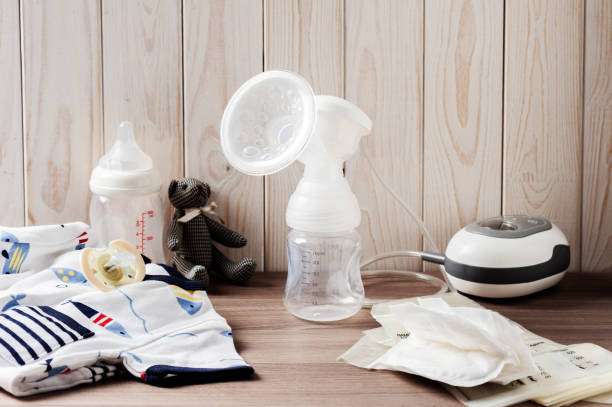
Why is cleaning the breast pump so important?
Let’s first talk about why it’s important to spend time cleaning the breast pump. Some mothers might think, “Just rinse it with water,” but that’s not the case:
Ensuring the safety of breast milk is crucial.
Breast milk is rich in protein and fat, and if any residue remains in the breast pump, bacteria can easily grow at higher temperatures. Babies who drink unclean breast milk are prone to gastrointestinal discomfort or infection.
Maintaining breast pump performance: Milk residue buildup inside
The breast pump parts can easily clog the straw or valve, weakening suction. After a period of use, you’ll notice longer pumping times and decreased efficiency; this is because it hasn’t been properly cleaned.
Improving comfort:
Residual breast milk in bras or tubes can not only easily cause odor but also make breastfeeding feel difficult or even painful.
I once failed to clean the pumping tube properly, causing milk to backflow during pumping. The milk smelled strange, making both my baby and me uncomfortable. Since then, I’ve made sure to clean the tube thoroughly after each pumping session, which has made the experience more comfortable and reassuring.
breast pump cleaning steps
for different breast pumps vary slightly, but the basic steps are generally the same. Whether it’s a manual, single-sided, or double-sided electric breast pump, following these steps will ensure safe and worry-free breastfeeding.
1. Disassemble all parts.
The bra, milk collection bottle, valve, silicone tubing, connectors, etc. all need to be disassembled.
Only by disassembling the parts can they be thoroughly cleaned to avoid milk residue.
2. Rinse with warm water
First, rinse off most of the milk with warm water to prevent protein and fat from adhering to it.
When rinsing, pay attention to the inner wall of the bra, the valve orifice, and the pipe; details determine the level of cleanliness.
3. Scrub with mild detergent.
Use baby-specific dish soap or breast pump cleaning solution; avoid using harsh cleaning agents.
Use a sponge or soft brush to scrub the inside of the milk collection bottle and bra, and clean the valves and small pipes with a small brush.
4. Rinse thoroughly
Make sure to rinse off all detergent residue thoroughly; otherwise, it may affect your baby’s health.
When rinsing, rinse repeatedly with running water several times to ensure that the parts are clean and free of residue.
5. Let it air dry.
Air dry naturally; do not wipe with a towel to avoid cross-contamination.
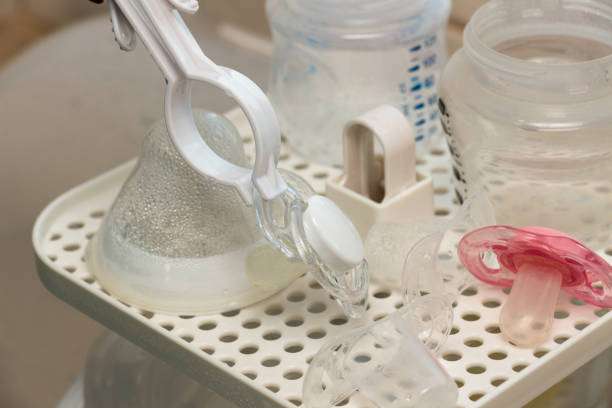
You can prepare a clean drying rack, separate the parts, and let them air dry naturally in a well-ventilated area.
I disassemble and rinse the parts after each pumping session, then put them in a special drying box until they are completely dry before the next pumping session. It’s clean and saves time.
6. Pipe Cleaning Techniques
Milk residue can easily remain inside silicone tubing, and if not cleaned properly, it may become moldy.
You can first rinse the pipes with warm water, then invert them to dry.
If the milk dries up, you can gently brush the inside of the tube with a straw brush and then rinse it clean.
Allow it to dry completely before storing to prevent bacteria from growing in a damp environment.
7. Disinfection methods
Sterilization is essential for the safety of breast milk. Common methods:
High-temperature sterilization
Sterilize the parts by immersing them in boiling water or a steamer for 5-10 minutes.
Microwave sterilization
Microwave sterilization bags are easy to use and suitable for office or travel use.
Ultraviolet disinfection
Some smart breast pumps come with UV sterilization, allowing breast pump parts to be directly sterilized while remaining dry.
My friends have discovered that microwave sterilization bags are a lifesaver for office moms. They put the bags in for 3 minutes after pumping each day, making it clean and convenient.
Daily skincare tips
Besides cleaning, breast pump maintenance is equally important; otherwise, weakened suction and aging parts are common problems.
Regularly inspect parts; brass, valves, and pipes are prone to wear and tear and should be replaced every 3-6 months.
Silicone bras must be replaced if they develop cracks or harden.
The storage environment should be dry.
Avoid high-temperature and high-humidity environments, as parts are prone to deformation or mold growth.
I usually put the disassembled parts in a drying box, and then I can take them out and use them before pumping.
To avoid prolonged milk residue
Clean yourself as soon as possible after pumping, as leftover milk is difficult to clean once it dries and can also affect suction.
Precautions for using a smart breast pump
The main unit and motor should not be washed directly with water; simply wipe them with a dry cloth.
Pay attention to the charging port and battery status, and maintain stable suction.
Common Faults and Troubleshooting
Sometimes you may encounter various minor problems when using a breast pump. Don’t panic; just learn how to troubleshoot them.
1. The suction weakens or stops pumping breast milk.
Possible causes: clogged valves, brass, or pipes; parts not properly installed; low battery power.
Solution: First, check if the parts are clean, ensure correct installation, and charge the electric breast pump or replace the battery.
2. Abnormal noise
Possible causes: Problem with the motor, loose pipes, or valves.
Solution: Check for tightness in installation, clean pipes or valves, and contact after-sales service if necessary.
3. Milk reflux
Possible causes: excessive suction, aging valve, incorrect operating angle.
Solution: Adjust suction power and posture, replace the valve, clean the pipes, and allow to dry.
4. Parts are aged or damaged.
Solution: Regularly inspect bras, valves, and pipes; replace them promptly if cracks, deformations, or wear are found.
Preparation
Applying a warm compress to the breasts
for 10 minutes before breastfeeding will help the milk flow more smoothly and reduce the time required for breastfeeding.
Start with low suction
power and gradually adjust to a comfortable level to reduce nipple pain.
The order of breastfeeding should
to express milk from the side with more milk first, then express milk from the other side to help balance the milk supply.
The smart breast
The pump’s reminder function is very useful, ensuring you don’t miss any milk supply and making your milk production more stable.
A manual or mini electric breast pump is easy to carry when going out
, while microwave sterilization bags or portable steam sterilizers ensure hygiene.
Summarize
A breast pump is not only a tool for breastfeeding but also a “milk helper” for working and busy mothers. With proper cleaning, maintenance, and troubleshooting, a breast pump can work efficiently, comfortably, and safely.
Key points:
Disassemble and clean the parts promptly after each breast pumping session.
Regular disinfection
Inspect parts for wear and aging, and replace them promptly.
Master troubleshooting methods to maintain breast pump performance
From my own experience, strictly following the cleaning, maintenance, and troubleshooting methods has made pumping smooth every time, and my baby drinks with peace of mind. I hope this guide can help you use your breast pump better and make breastfeeding easier!